
 Abhyank Srinet


Table of Contents
- Introduction
- What Are ESSEC MiM Fees for 2026?
- What Is the ESSEC MiM Deposit?
- What Do ESSEC MiM Fees Include?
- How Much Are Living Costs Alongside ESSEC MiM Fees?
- What Scholarships Can Reduce ESSEC MiM Fees?
- Can an Apprenticeship Reduce ESSEC MiM Fees?
- Can International Students Work While Paying ESSEC MiM Fees?
- How Should Indian Applicants Plan ESSEC MiM Fees?
- Are ESSEC MiM Fees Worth the Investment?
- Related Blogs
- Conclusion
ESSEC MiM fees for non-EU students are approximately ₹46.66 lakh (€42,270) for the Intensive Track and ₹63.18 lakh (€57,240) for the Flexible Track for the 2026 intake. ESSEC also charges a ₹19,869 (€180) non-refundable application fee. Students should budget around ₹1.43–2.21 lakh (€1,300–€2,000) per month for living expenses.
Introduction
ESSEC MiM fees can look confusing because the school offers two different study formats and publishes tuition, registration and service charges separately. For Indian applicants, the most useful number is the complete non-EU programme cost for the track they plan to join, not tuition alone.
The Intensive Track is completed in one year, while the Flexible Track normally takes two to three years and offers more room for internships, international mobility and apprenticeship. In this blog, we explain ESSEC MiM fees, the deposit, living expenses, scholarships and the total budget Indian applicants should plan for.
What Are ESSEC MiM Fees for 2026?

The official ESSEC MiM fees depend on the track and the applicant's fee category. Indian applicants are normally treated as non-European Union students, making the non-EU figures the most relevant for budgeting.
| Track | Official 2026 Cost | Duration | Best Suited For |
|---|---|---|---|
| Intensive Track | ₹46.66 lakh (€42,270) | 1 year | Applicants with prior professional and international experience seeking a faster programme |
| Flexible Track | ₹63.18 lakh (€57,240) | 2–3 years | Applicants wanting greater flexibility for internships, mobility and apprenticeship |
Both totals include the applicable tuition, registration and service charges. They do not include accommodation, food, transport, flights, visa-related expenses or other personal costs.
Applicants should always verify the latest ESSEC MiM fees on the official ESSEC Master in Management page before making a payment.
Intensive Track Fee Breakdown
For non-EU students, the one-year Intensive Track has an official total programme cost of approximately ₹46.66 lakh (€42,270).
| Fee Component | Non-EU Cost |
|---|---|
| Tuition Fee | ₹41.95 lakh (€38,000) |
| Registration Fee | ₹2.21 lakh (€2,000) |
| Service Fee | ₹2.51 lakh (€2,270) |
| Total Programme Cost | ₹46.66 lakh (€42,270) |
Because this track is completed in one year, its academic cost and total time spent funding living expenses are lower than the Flexible Track in most cases. However, ESSEC states that the Intensive Track requires prior professional experience and is not eligible for an apprenticeship contract.
Flexible Track Fee Breakdown
For non-EU applicants, the Flexible Track carries an official total programme cost of approximately ₹63.18 lakh (€57,240). The programme can take two to three years, but ESSEC's published total should be used rather than multiplying annual tuition by every calendar year.
| Fee Component | Non-EU Cost |
|---|---|
| Tuition Fee per Fee-Paying Year | ₹27.93 lakh (€25,300) |
| Tuition Across Two Fee-Paying Years | ₹55.85 lakh (€50,600) |
| Registration Fee Across Two Years | ₹4.42 lakh (€4,000) |
| Service Fee | ₹2.91 lakh (€2,640) |
| Total Programme Cost | ₹63.18 lakh (€57,240) |
The higher ESSEC MiM fees for the Flexible Track come with greater flexibility. Students can combine academic study with internships, international experiences and, if eligible, an apprenticeship that may substantially change the net tuition burden.
What Is the ESSEC MiM Deposit?

The admission deposit is approximately ₹6.62 lakh (€6,000) and must normally be paid within two weeks of admission. ESSEC states that the deposit is non-refundable but deducted from the tuition fee.
This means the deposit is not an additional ₹6.62 lakh on top of ESSEC MiM fees. Adding it again to the programme total would overstate the amount payable.
| Payment | Amount | How It Works |
|---|---|---|
| Admission Deposit | ₹6.62 lakh (€6,000) | Paid after admission and deducted from tuition |
| Application Fee | ₹19,869 (€180) | Non-refundable and paid online with the application |
Indian applicants using an education loan should check whether their lender can release the deposit quickly, because the payment window after admission is relatively short.
What Do ESSEC MiM Fees Include?
The published ESSEC MiM fees include tuition, registration and the relevant service charge. These are the main academic costs required by the school for the selected track.
They do not represent the complete cost of studying in France. Students should budget separately for accommodation, food, local travel, flights, visa-related costs, insurance, personal expenses and foreign-exchange or remittance charges.
| Included in Programme Cost | Budget Separately |
|---|---|
| Tuition | Accommodation |
| Registration Fee | Food and daily expenses |
| Service Fee | Local transport |
| Academic programme charges | Flights, visa and personal costs |
How Much Are Living Costs Alongside ESSEC MiM Fees?
ESSEC advises students to budget approximately ₹1.43–2.21 lakh (€1,300–€2,000) per month for living expenses such as housing, transport and food. The actual amount depends on accommodation, lifestyle and where the student spends each part of the programme.
| Budget Period | Estimated Living Cost |
|---|---|
| Per Month | ₹1.43–2.21 lakh (€1,300–€2,000) |
| 12 Months | ₹17.22–26.49 lakh (€15,600–€24,000) |
For an Intensive Track student spending roughly one full year in France, the combined academic and 12-month living budget can therefore reach approximately ₹63.88–73.15 lakh (€57,870–€66,270), before flights, visa-related expenses and personal contingencies.
Flexible Track students should avoid simply multiplying one annual living-cost figure by three. Internships, exchanges, apprenticeship periods and time spent outside Cergy can materially change the actual living budget.
What Scholarships Can Reduce ESSEC MiM Fees?

Scholarships can reduce the effective ESSEC MiM fees, but applicants should only deduct an award from their budget after it has been officially confirmed.
| Funding Option | Latest Published Support | Who Should Check It |
|---|---|---|
| ESSEC Scholarship | ₹11.04 lakh (€10,000) | Outstanding international applicants |
| Eiffel Excellence Scholarship | ₹1.30 lakh (€1,181) monthly allowance plus selected benefits | Eligible non-French applicants nominated through ESSEC |
| France Excellence Charpak Master Scholarship | Master-level monthly support and additional benefits subject to the current cycle | Eligible Indian citizens and OCI applicants studying in France |
| Apprenticeship | Can remove tuition fees during the approved apprenticeship period; other charges may remain | Eligible Flexible Track students with an approved contract |
The ESSEC Scholarship is particularly straightforward: ESSEC currently lists an award of ₹11.04 lakh (€10,000) for selected international applicants and says no separate scholarship application is required.
Indian applicants should also monitor the official Campus France India Charpak Master Scholarship page because benefits and application dates are updated by cycle.
Can an Apprenticeship Reduce ESSEC MiM Fees?
Yes. Apprenticeship is one of the most important financing opportunities for eligible Flexible Track students. ESSEC states that students with an approved apprenticeship follow the course free of tuition fees for the apprenticeship duration, although other charges may still apply.
The employer also pays the apprentice a monthly salary. This can make the net ESSEC MiM fees significantly lower for students who successfully secure a contract.
However, an apprenticeship is not guaranteed. Applicants should first build their budget using the full official programme cost and only reduce the financing requirement after an approved contract is secured.
Can International Students Work While Paying ESSEC MiM Fees?
Eligible foreign students studying in France can generally work up to 964 hours per year, equal to 60% of normal annual working time. France-Visas also warns that part-time work should be treated as a secondary source of income rather than enough to fund all study expenses.
Part-time work may help with everyday living expenses, but it is not a realistic primary strategy for covering ESSEC MiM fees. Students should arrange tuition financing independently through savings, scholarships, education loans or other confirmed funding.
Applicants can check the current rule on the official France-Visas student page.
How Should Indian Applicants Plan ESSEC MiM Fees?
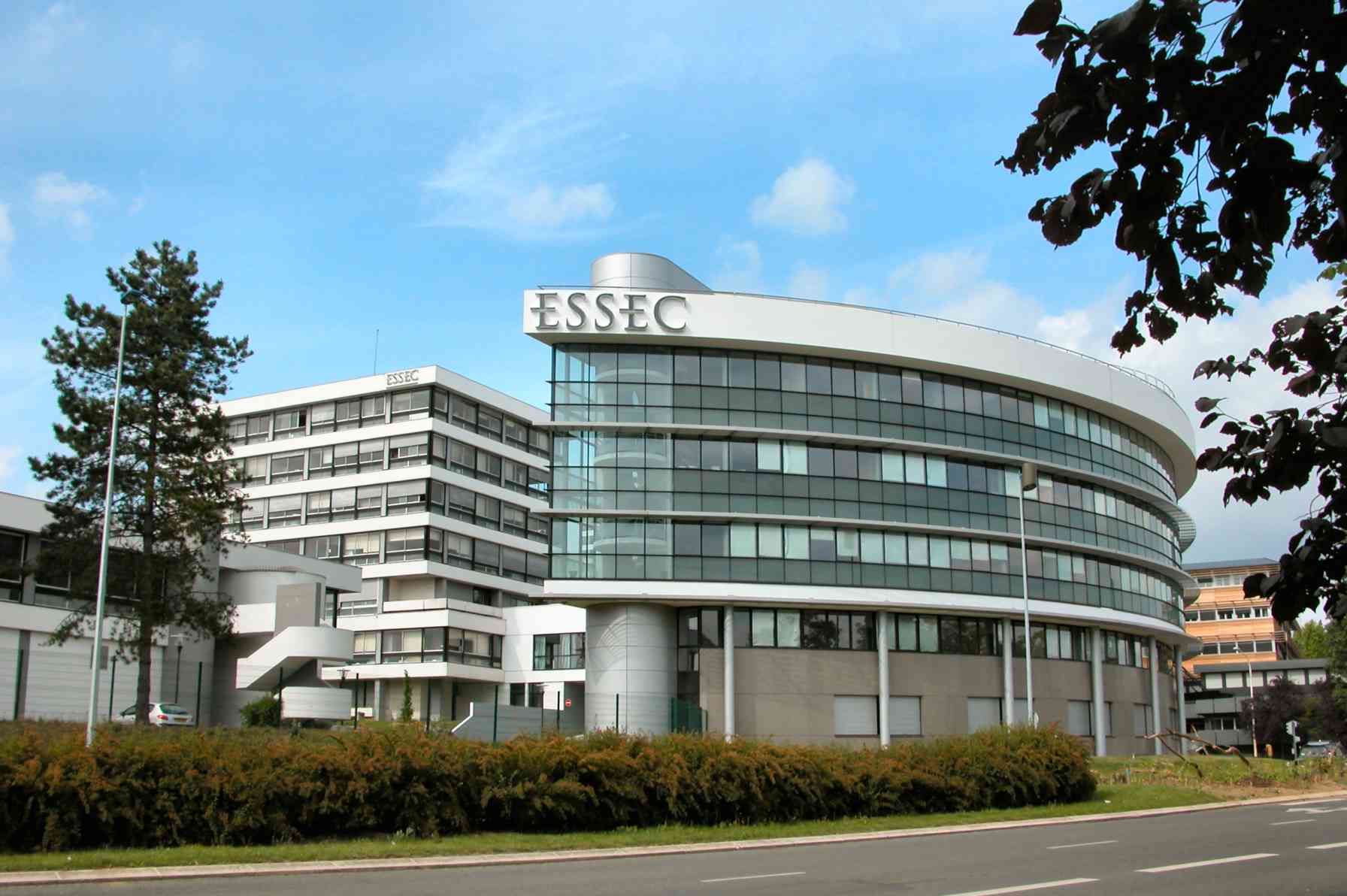
For Indian applicants, the biggest budgeting risks are choosing the wrong track figure, counting the deposit twice and underestimating exchange-rate movement. Start with the correct non-EU ESSEC MiM fees and then add realistic living and travel costs.
- Use ₹46.66 lakh (€42,270) for the 2026 Intensive Track academic cost.
- Use ₹63.18 lakh (€57,240) for the 2026 Flexible Track academic cost.
- Keep ₹6.62 lakh (€6,000) available soon after admission, but do not add it twice.
- Budget around ₹1.43–2.21 lakh (€1,300–€2,000) per month for living expenses.
- Add a forex buffer because ESSEC charges in euros while most Indian education loans are planned in rupees.
- Apply for scholarships early and treat apprenticeship savings as unconfirmed until a contract is approved.
Applicants comparing affordability with career outcomes can also read our ESSEC MiM salary guide. For admissions testing, see the ESSEC MiM GMAT guide.
Are ESSEC MiM Fees Worth the Investment?
Whether ESSEC MiM fees are worth paying depends on the track, your net cost after funding and the career path you are targeting. ESSEC reports that 98% of MiM graduates entering the workforce secure employment within six months, while 89% receive their first job offer before graduation.
The Intensive Track may appeal to applicants who want to return to the workforce quickly and keep total study costs tighter. The Flexible Track costs more but provides more time for internships, international mobility and apprenticeship opportunities.
The best ROI calculation should compare your actual amount financed—not just the headline ESSEC MiM fees—with your expected career path, loan repayment burden and preferred country of employment.
Related Blogs
Conclusion
ESSEC offers two very different MiM study paths, so the right financial plan starts with choosing the correct track and using the school's complete academic cost. Add realistic living expenses, understand the deposit timing and explore scholarships or apprenticeship opportunities before deciding how much you need to finance.