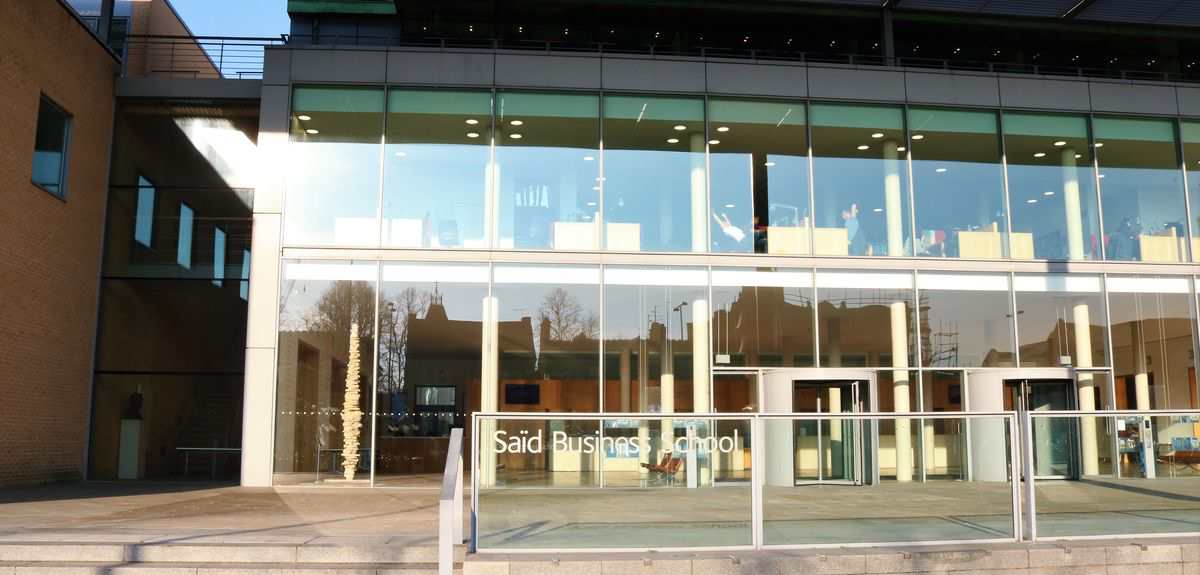
Oxford MBA interview questions are mainly about your background, career goals, leadership experience, and fit with Saïd Business School. According to Oxford Saïd, MBA interviews usually last around 30–40 minutes and focus on your story, plans, and how the Oxford MBA supports your goals. Common questions include “Why MBA?”, “Why Oxford?”, “Why now?”, “What are your post-MBA goals?”, and examples of leadership, teamwork, challenges, and impact. Strong answers should be clear, honest, and supported by real examples from your professional journey.
Introdution
Oxford MBA interview questions are mainly used to understand your background, career goals, leadership experience, and fit with Saïd Business School. According to Oxford Saïd, shortlisted MBA applicants are invited for an interview that usually lasts around 30 minutes. The interview focuses on your story, your plans, and how the Oxford MBA supports those plans.
To prepare well, you should not memorise answers. Instead, understand your own profile clearly. Be ready to explain why you want an MBA, why Oxford Saïd is the right school, what you want to do after the MBA, and how your experience has shaped your goals. In this blog, we will cover common Oxford MBA interview questions, answer tips, preparation strategy, and mistakes to avoid.
What Is the Oxford MBA Interview?
The Oxford MBA interview is a key part of the Saïd Business School admissions process for shortlisted applicants. It gives the admissions team a chance to understand your profile beyond your CV, essays, test scores, and application form. The interview usually focuses on your background, career goals, leadership experience, personal motivation, and why the Oxford MBA is the right fit for your future plans.
The interview is not only about checking your achievements. It is also about understanding how clearly you think, how honestly you explain your journey, and how well your goals match the Oxford MBA. You may be asked why you want an MBA now, why you chose Oxford Saïd, what you want to do after the MBA, and how your experience has prepared you for the programme.
A strong Oxford MBA interview answer should feel clear, natural, and specific. Instead of giving generic answers, use real examples from your work, leadership moments, challenges, or career decisions. The goal is to show that you know yourself well, understand the programme, and can contribute meaningfully to the Oxford MBA class.
Oxford MBA Interview Questions Sets
The Oxford MBA interview questions are designed to see if you're a good fit for the program. These questions cover a range of topics, including your motivation to study at one of the best MBA colleges in the UK, your career goals, and how well you align with the program's values. Here are some common questions you might be asked during the interview:
Set 1 Questions
Q: When did you decide to pursue an MBA? Q: What do you look forward to gaining through an MBA program? Q: Which other schools have you applied to? Q: Why Oxford MBA? Q: Which Oxford alumni have you connected with during your research?
Set 2 Questions
Q. Introduce yourself. Q. Have you aligned your present enterprise with your MBA goal? Follow-up question – What would be your supervisor’s response to your MBA plan? Q: What connections do you have in those firms? Q: Talk more about what you plan to do between now and the time you join those firms to boost your chances? Q: Speak about a juncture when you failed in a team environment. How did you do to overcome it?
Set 3 Questions
Q. Tell me about yourself? Q. Why Oxford? Q. Describe what you do daily in your current role Q. Describe your short-term goal. How can Oxford help you secure your goal? Q. Describe a time when you had to deal with a difficult colleague.
Set 4 Questions
Q. Introduce Yourself. Q: Why do you want to go for an MBA? Why at this time? Why are you aiming for Oxford? Q: What options are available in consulting? Q: The consulting industry is very competitive. Consider myself a McKinsey recruiter: what makes you stand out?
Set 5 Questions
Q. Give your brief introduction. Q: Tell me about a time when you settled a problem within your team. How did you approach the coworker inside that? How did he react to it? What do you believe you might do better? Q: Describe your leadership style, how it has changed, and how you believe you may improve. Q: Have you applied to any other colleges, and what is your primary priority?
Set 6 Questions
Q. Why Oxford? Q. Which other schools have you applied to? Q. Why did you quit your previous position? Q. Tell me about a time when you used your communication skills Q. What are your Long term-short term goal? Which companies are you looking for in a particular sector?
They seek individuals who embody professional prowess, embrace multiculturalism, exhibit strong leadership acumen, and possess a fervent drive to contribute meaningfully to collaborative learning environments. While the typical criteria for University of Oxford MBA GMAT score, work experience, and UG CGPA, Oxford values talent, integrity, and strong networking skills just as much.
Substantial professional background
Exposure to diverse cultures and perspectives
Demonstrated leadership abilities and personal growth
Eagerness and capacity to enrich class interactions with practical insights
Excellent academic credentials
Aspirations to address global challenges and drive impactful change
Oxford MBA virtual information event
Personalized Tips Question-by-question
When it comes to the University of Oxford MBA interview questions, there are a few specialized tips that you can follow to impress the admissions committee and showcase your fit with the program's values of collaboration, entrepreneurship, and excellence, which is needed to get admission, as it is one of top MBA Colleges in UK.
Thoroughly Research the Oxford MBA Program: In order to stand out, it is imperative that you showcase your interest in and knowledge about the Oxford MBA program. Make sure to emphasize the unique features of the program that align with your values and goals.
Be Specific When Discussing Your Goals: When asked about your career goals, don't shy away from being specific about what you hope to achieve through the Oxford MBA program. Demonstrate your commitment to excellence and transformation by providing clear and concise examples of how the program will help you achieve your career aspirations.
Emphasize Your Alignment with the Program's Values: Collaborative and entrepreneurial values are highly valued in the Oxford MBA program. Be sure to showcase your alignment with these values in your responses. Illustrate how you have worked collaboratively in the past and how you plan to continue doing so in the future.
Use Examples From Your Experience: It is essential to use examples from your experience to support your responses. For example, if asked about a time when you failed in a team environment, provide a relevant example that showcases your ability to collaborate and learn from your mistakes.
Prepare to Discuss Your Connections with the Companies: To demonstrate your entrepreneurial mindset, it is important to be well-prepared to discuss your connections with the companies listed in your application. Highlight your knowledge of these companies and their industries, and discuss how you have engaged with them in the past.
Explain why you have chosen to pursue an MBA: The MBA program at Oxford values candidates who can articulate their purpose for pursuing an MBA. Therefore, it is crucial to have a clear understanding of why you want an MBA and how it aligns with your long-term goals. Demonstrate your purposeful approach to the MBA by explaining how it fits into your long-term career aspirations.
Demonstrate your expertise in the consulting sector: Consulting is a growing industry for MBA graduates, and Oxford looks for applicants who have a deep understanding of it. As a result, it is critical to demonstrate your understanding of and enthusiasm for the consulting sector. Highlight any relevant experiences, skills, or qualifications that set you apart from other consulting candidates.
The Oxford MBA interview is your chance to explain your story in your own words. It helps Oxford Saïd understand your background, goals, leadership experience, and why you want to join the MBA program. Your answers do not need to sound perfect. They should sound clear, honest, and based on real experiences.
To prepare well, know your profile properly. Be clear about why you want an MBA, why Oxford fits your goals, and what you want to do after the program. Use simple examples from your work and life to support your answers. If you speak naturally and connect your goals with the Oxford MBA, you can make a strong impression in the interview.
The Oxford MBA interview is a key part of the Saïd Business School admissions process for shortlisted applicants. It helps the admissions team understand your background, career goals, leadership experience, and fit with the Oxford MBA.
How long is the Oxford MBA interview?
The Oxford MBA interview usually lasts around 30–40 minutes. During the interview, you can expect questions about your profile, future plans, and how the MBA fits your career goals.
What are common Oxford MBA interview questions?
Common Oxford MBA interview questions include “Tell me about yourself,” “Why MBA?”, “Why Oxford?”, “Why now?”, “What are your post-MBA goals?”, and “Tell me about a leadership experience or challenge.”
What does Oxford Saïd look for in the MBA interview?
Oxford Saïd looks for clear thinking, honest communication, leadership potential, career clarity, and strong fit with the MBA class. Your answers should show who you are and what you can contribute.
How should I answer “Why Oxford MBA?”
Keep your answer simple and structured. Start with your current role, explain your career journey, highlight key achievements, and connect your experience with your MBA goals.
Is the Oxford MBA interview difficult?
The Oxford MBA interview can feel challenging if your goals are unclear or your answers sound memorised. It becomes easier when you know your story, understand your application, and can explain your goals naturally.
Does Oxford MBA have an online assessment?
Yes, Oxford MBA applicants need to complete an online assessment as part of the application process. It includes three competency-based questions that help Oxford understand how you think and communicate.
How can I prepare for Oxford MBA interview questions?
Start by reviewing your CV, essays, application form, and career goals. Practise answers for common questions, use real examples from your work, and prepare clear reasons for choosing Oxford Saïd.
What are the biggest mistakes in the Oxford MBA interview?
Common mistakes include giving generic answers, memorising responses, not knowing your own application, having unclear goals, and not explaining why Oxford Saïd fits your plans.
Know Your Author
Abhyank Srinet
|
Study Abroad Expert
Abhyank Srinet, the founder of MiM-Essay, is a globally recognized expert in study abroad and admission consulting. His passion is helping students navigate the complex world of admissions and achieve their academic dreams. Abhyank earned a Master's degree in Management from ESCP Europe, where he developed his skills in data-driven marketing strategies, driving growth in some of the most competitive industries.
Abhyank has helped over 12,000+ students get into top business schools with a 98% success rate over the last 10 years. He and his team offer thorough research, careful shortlisting, and efficient application management from a single platform.
His dedication to education also led him to create MentR-Me, an AI-powered platform that offers personalized guidance and resources, including profile evaluation, application assistance, and mentoring from alumni of top global institutions.
Continuously adopting the latest strategies, Abhyank is committed to ensuring that his clients receive the most effective guidance. His profound insights, extensive experience, and unwavering dedication have helped his clients securing of over 500 Cr+ in scholarships, making him an invaluable asset for individuals aiming to advance their education and careers and leading both his ventures to seven-figure revenues.

 Abhyank Srinet