


 Abhyank Srinet
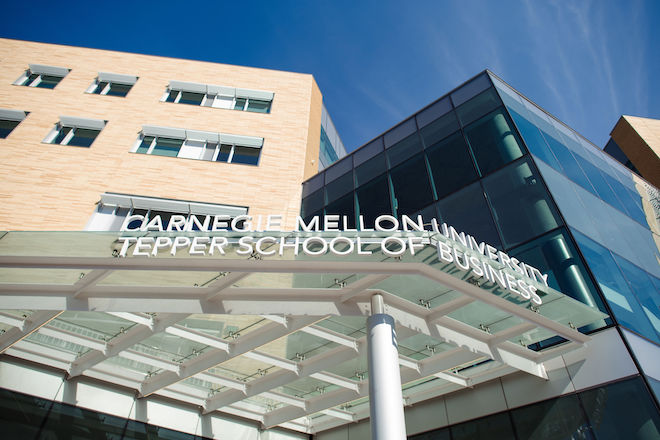
 If you’re looking to build a career in business analytics, the Tepper MSBA at Carnegie Mellon University is a great choice. The program combines advanced data skills with real-world business knowledge, so you learn how to turn numbers into smart decisions. You’ll work on real company projects, use tools like machine learning and data visualization, and get guidance from experienced faculty in small, focused classes.
What makes it even better is the career support. The Tepper MSBA has strong links with top employers, and graduates enjoy a 100% job placement rate. Whether you study full-time on campus or choose the flexible online format, you’ll leave with the skills, network, and confidence to succeed in a fast-growing field where data is shaping the future of every industry.
| Program length | 9 months |
| Tuition Fees | $718 per unit |
| Program deadline | Round 1: October 14, 2025 Round 2: January 15, 2026 Round 3: March 4, 2026 Round 4: May 12, 2026 |
| Intakes | August |
| Application fees | $125 |
Class Profile & Student Background for Tepper MSBA
.jpg)
The Tepper MSBA Program at Carnegie Mellon University is known for attracting smart, driven, and diverse talent from around the world. The program is designed for students who want to build strong data analytics skills and apply them to real business problems. The class profile shows how well the program balances academic excellence, professional experience, and cultural diversity.
The current class has 123 students from different parts of the globe, with 80% being international students. This means you will be learning alongside peers from multiple countries, cultures, and professional backgrounds, making networking a big advantage here. 46% of the class are women, showing the school’s strong commitment to diversity.
On average, students have 1.3 years of work experience, making the program ideal for early-career professionals. Most students have studied fields such as Business, Economics, Engineering, and Mathematics/Physical Sciences, providing the class with a strong quantitative foundation. The average GPA is 3.56, and the middle 80% GMAT score range is 640–700, reflecting the program’s selective admissions process.
This mix of academic strength, technical skills, and global exposure makes the Tepper MSBA an ideal choice for Indian students who want to grow their careers in analytics, consulting, finance, or technology. The classroom environment is interactive, and the diversity ensures you get different perspectives on solving business challenges, skills that top recruiters value highly.
| Class Size | 123 students |
| Average Work Experience | 1.3 years |
| Average GPA | 3.56 |
| GMAT (Middle 80%) | 640–700 |
| Women | 46% |
| International Students | 80% |
| Common Undergraduate Majors | Business, Economics, Engineering, Mathematics / Physical Science |
Tepper MSBA Acceptance Rate
The Carnegie Mellon University MSBA is known for being very selective. While the school doesn’t share an official number, most estimates put the acceptance rate somewhere between 10% and 20%. This means only a small percentage of applicants get in, making it a competitive choice for anyone looking to build a career in analytics.
One reason for this selectivity is the program’s strong reputation, STEM designation, and close connections with top recruiters in tech, consulting, and finance. The class is kept small—only about 123 students—and each applicant is reviewed carefully. The recent class had an average GPA of 3.56, a GMAT score range of 640–700 for most students, and a large international presence, with 80% coming from outside the U.S.
For Indian students aged 25–28, this means you need more than just good grades. Strong test scores, clear career goals, relevant work or internship experience, and well-crafted essays can all help you stand out in such a competitive pool.
Tepper MSBA Curriculum & Learning Experience
The Tepper MSBA at Carnegie Mellon University is a 9-month, STEM-designated program that blends advanced data skills with strong business knowledge. It helps you work confidently with data and turn insights into smart decisions that drive real results.
What you’ll learn
- Core subjects: machine learning, data science, statistics, and business acumen.
- How to combine technical skills with strategic thinking to solve real business problems.
- Hands-on practice with industry tools: Python, R, SQL, Tableau, and advanced Excel.
The Capstone Project
A key highlight of the Tepper MSBA is the capstone. You’ll work in small teams with industry partners from tech, finance, consulting, healthcare, and retail. You’ll tackle real problems—like predicting customer behavior, improving supply chains, or optimizing marketing campaigns—and deliver solutions companies can actually use.
Learning by doing
- Classes focus on applying concepts to real datasets, not just theory.
- Small cohorts mean close guidance from expert faculty and plenty of collaboration.
- You graduate with both technical mastery and business confidence, ready to lead analytics projects from day one.
Tepper MSBA Rankings & Accreditations

The Carnegie Mellon University MSBA is known for its impressive reputation and strong recognition in the analytics world. Here’s why this program stands out:
- Top ranking for business analytics: The Tepper MSBA program is ranked #1 for Business Analytics in the U.S. News & World Report's 2025 specialty rankings — highlighting its standout expertise in this field.
- High global standing: QS ranks Tepper’s full-time MSBA #11 globally among Master’s programs in Business Analytics, reinforcing its worldwide credibility.
- Prestigious accreditation: Tepper is AACSB-accredited, a hallmark of quality that fewer than 6% of business schools worldwide achieve — ensuring rigorous academic standards and strong faculty credentials.
- STEM-designated advantage: As a STEM-designated program, the Tepper MSBA emphasizes advanced technical skills. For international students, this also means eligibility for extended Optional Practical Training (OPT) — up to 36 months of U.S. work experience post-graduation.
Carnegie Mellon University MSBA Rankings & Credentials at a Glance
| Recognition | Detail |
|---|---|
| U.S. News (Business Analytics) | #1 in U.S. (specialty ranking, 2025) |
| QS Business Analytics Ranking | #11 globally (2025) |
| Accreditation | AACSB-accredited |
| STEM Designation | Yes – includes extended OPT benefits |
Tepper MSBA Fees and Financing
.jpg)
Planning your finances early makes the Tepper MSBA journey smoother. Tuition is billed at $718 per unit, and Pittsburgh living costs are estimated at $35,088 for the academic year (excluding tuition). Use the breakdown below to set a realistic budget and then explore funding options that fit your profile.
Estimated Living Expenses (Excluding Tuition)
| Expense Category | Estimated Cost (USD) |
|---|---|
| Housing | 10,260 |
| Food | 5,130 |
| Books & Supplies | 1,450 |
| Travel Allowance | 2,984 |
| Miscellaneous / Personal | 9,500 |
| Health Insurance | 3,258 |
| Other Fees (Activity, Tech, Transport, Loan) | 2,094 |
| Total Estimated (Excl. Tuition) | 35,088 |
How to Finance Your Tepper MSBA
- Merit Scholarships: Limited awards for outstanding applicants; apply early and submit a strong profile.
- Assistantships: Select graduate roles may offer stipends or partial tuition support.
- External Scholarships: Consider options like JN Tata Endowment, Inlaks, Reliance Foundation, or Prodigy Finance.
- Education Loans (India): Public banks and NBFCs often fund the Carnegie Mellon University MSBA; compare interest rates and collateral needs.
- On-Campus Work: Part-time jobs can offset day-to-day expenses and add U.S. experience to your resume.
If you want to know more, please visit here- Tepper MSBA Cost
Employment Upon Graduation
.jpg)
Graduates of the Tepper MSBA at Carnegie Mellon University enjoy excellent job outcomes. According to the latest data, every student—100% of the class—received a job offer within three months of graduating, and all of them accepted. This shows how well the program prepares students for the job market and the strength of its employer connections.
The average base salary for graduates is $112,625, and many also receive a sign-on bonus, with the median bonus at $15,000. These figures reflect the high demand for professionals with the Tepper MSBA’s mix of technical and business skills.
Students land roles in industries like technology, consulting, finance, healthcare, and retail, often with top employers such as Amazon, Deloitte, PwC, McKinsey, and Capital One. Most jobs are based in major U.S. business and tech hubs, giving graduates access to exciting career opportunities and strong professional networks.
Class of 2024 Career Data
| Average Base Salary | $98,946 |
| Median Sign-On Bonus | $12,500 |
| Employment by Industry |
Financial Services- 25.5% |
| Post-program job locations |
North America- 95.7% |
These statistics are based on the MBA CSEA Standards reporting for the 2024 MSBA full-time cohort
Carnegie Mellon University MSBA Application: Essays & Interview
Getting into the Tepper MSBA at Carnegie Mellon University is competitive, and your essays and interview are where you can stand out. These parts help the admissions team see who you are beyond grades and test scores.
Essays
You’ll write essays that explain why you want the Carnegie Mellon University MSBA, how your past experiences prepared you, and what you plan to do after graduation. Keep your writing clear, personal, and focused on your goals.
- Be clear: Explain why Tepper fits your goals and how the program will help you grow.
- Be personal: Share real examples from work, projects, or academics that show your skills.
- Be honest: Talk about strengths and areas you want to improve.
- Be specific: Avoid generic lines—show you’ve researched the curriculum and learning experience.
Interview Questions
If shortlisted, you’ll have a friendly but focused interview. It’s your chance to talk through your journey, skills, and career plan—and how you’ll add to the Tepper community.
- Why did you choose the Tepper MSBA?
- Tell me about a time you used data to solve a problem.
- How do you work in a team or handle conflict?
- Where do you see yourself in five years, and how will Tepper help you get there?
Tip: Your interview may reference your essays, so keep your answers consistent. Practice a few mock interviews, be yourself, and show clear motivation and fit for the program.
Why is Carnegie Mellon University's MSBA Unique?
The Tepper MSBA at Carnegie Mellon University is more than just a data analytics program — it’s designed to develop professionals who can combine technical expertise with strategic business thinking. Here’s what makes it stand out:
- Blends tech and business skills: Combines advanced analytics (machine learning, statistics, optimization) with business strategy and leadership training.
- Hands-on learning: Includes a year-long capstone project with real companies, solving real business challenges.
- Small, close-knit classes: Small cohorts allow for personal attention from faculty and stronger peer connections.
- Access to Carnegie Mellon’s network: Students benefit from resources and collaboration opportunities with top schools in computer science, engineering, and public policy.
- STEM-designated program: Gives international students up to 36 months of Optional Practical Training (OPT) in the U.S. after graduation.
- Proven career outcomes: Known for its 100% job placement rate and strong links with top employers in tech, consulting, finance, and more.
Conclusion
The Tepper MSBA at Carnegie Mellon University is a great choice if you want to turn data skills into a successful career. It offers the right mix of technical learning, business knowledge, and real-world experience through projects with leading companies. Small class sizes mean you get personal attention, and the program’s strong industry links help you land top jobs graduates even have a 100% job placement rate. Whether you’ve just finished your degree or you’re already working, the Tepper MSBA can open doors in fields like tech, consulting, finance, and healthcare. With its STEM status, excellent faculty, and career-focused approach, it’s a smart step toward building a career that’s ready for the future.