
 Abhyank Srinet


Table of Contents
Key Takeaways
- What You Need: Find out the key documents and criteria for getting your student visa for Spain, like your university acceptance letter, proof of finances, and health insurance.
- How to Apply: Step-by-step guidance on applying for your visa, including gathering your papers and attending the visa interview at the Spanish consulate.
- Timing Matters: Learn about processing times and deadlines so you can submit your visa application on time and avoid delays.
- Challenges to Watch Out For: Be prepared for common issues like language barriers or missing documents and how to deal with them.
- After You Get Your Visa: Tips on what to do once you have your visa, such as planning your travel, registering in Spain, and getting settled in your new student life.
Getting a student visa for Spain is an important step if you’re planning to study there. Spain is home to great universities and offers a lively student life, but the visa process can seem overwhelming. This guide is here to make it easier by breaking down everything you need to know. From the required documents to the application steps, we’ll help you get ready for your exciting journey to study in Spain.
Understanding the Spanish Student Visa Process
Applying for a student visa Spain can feel a bit confusing, but don't worry—I'm here to break it down for you. Whether you're planning a short course or a full degree, understanding the types of visas available is the first step to getting started with your studies in Spain.
Types of Student Visas in Spain
When it comes to studying in Spain, the type of student visa you need depends on how long you'll be staying. Here's a quick overview:
Short-Term Student Visa (Less than 90 Days)
- Ideal for courses or programs lasting less than 90 days.
- Perfect for language courses, summer schools, or short-term study programs.
- Easier application process, but apply early to avoid delays.
Long-Term Student Visa (More than 90 Days)
- Required for programs lasting more than 90 days, like full degrees or exchange programs.
- You'll need more documents, such as proof of funds and health insurance.
- Covers your entire stay in Spain, making it suitable for extended studies.
Requirements for a Student Visa in Spain
If you're planning to study in Spain, getting a student visa for Spain is a key step. This visa lets you stay in the country while you complete your studies. The process might seem a bit tricky, but don't worry—it's easier when you know what to do. Here's a simple guide to help you understand the main requirements, including eligibility, academic documents, financial proof, and health insurance.
| Requirement | What You Need |
| Eligibility | - Acceptance from a Spanish school. - Enough money to support yourself. - Clean criminal record (if needed). |
| Academic Documents | - Official acceptance letter. - Proof of course enrollment. - Relevant certificates or diplomas. |
| Financial Proof | - Recent bank statements. - Sponsorship letter (if applicable). |
| Health Insurance | - Valid health insurance for your stay. |
Spain Student Visa Cost
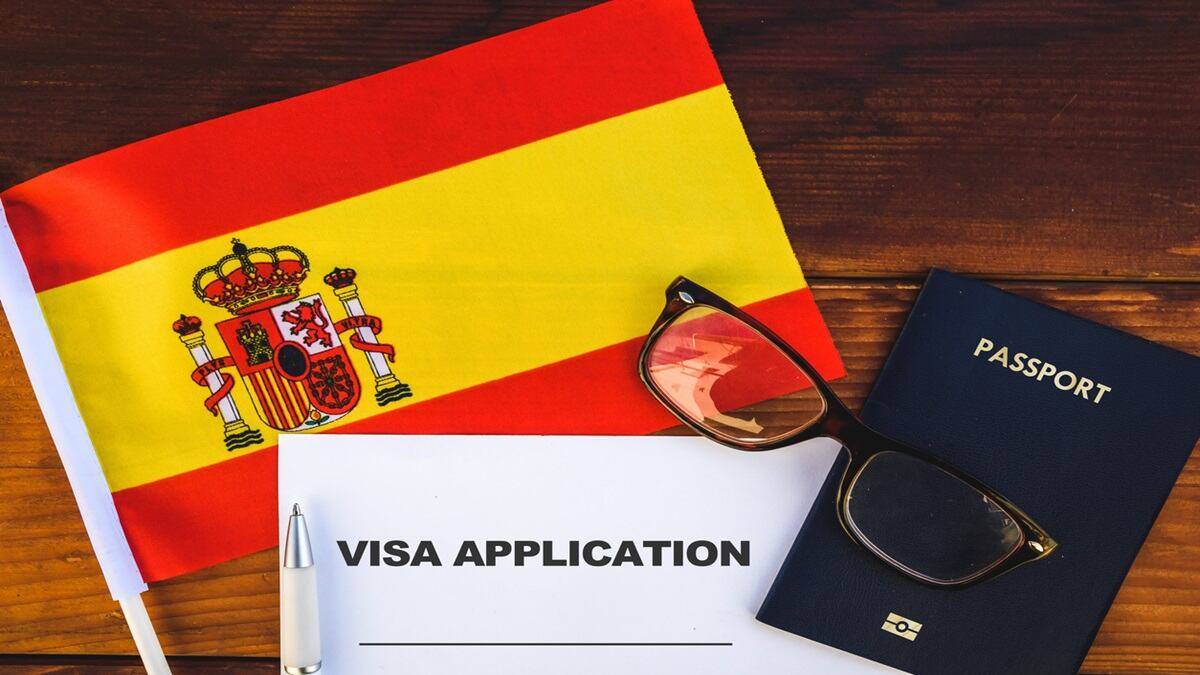
Getting your student visa Spain is an exciting step toward studying abroad, but it's important to understand the costs involved. Knowing what to expect can help you plan your budget and avoid any unexpected expenses. From application fees to costs for translating and legalizing documents, there are a few things you should be aware of before you start the process.
| Category | Details |
| Application Fees | €80 for most non-EU nationals; €60 for EU nationals |
| Non-Refundable Fees | Fees are non-refundable, even if the application is denied |
| Translation Costs | €20 - €50 per page, depending on the complexity and urgency of the document |
| Legalization Costs | €15 - €30 per document, depending on the type of document and country |
| Total Additional Costs Estimate | €100 - €250 for translations and legalizations |
| Accepted Payment Methods | Bank transfer, cash at consulate, or money order (varies by consulate) |
Can You Work in Spain with a Student Visa?
If you're studying in Spain and wondering about working while you’re here, you’re not alone. Many international students on a student visa in Spain are keen to earn some extra cash or gain experience. The good news is that Spain does allow students to work part-time. Here’s a quick guide to help you understand the basics.
Part-Time Work Regulations
Work Hours
- Up to 20 hours per week during school.
- Full-time during breaks.
Work Permit
- Employer must get a permit.
- Provide student visa details.
Internship Opportunities
Paid Internships
- Require a work permit.
Unpaid Internships
- Typically don’t need a permit.
Transitioning to a Work Visa
Finding a Job
- Secure a job to qualify for a work visa.
Applying for a Work Visa
- Apply based on your job offer.
- Start the process early.
Understanding the Spanish Student Visa Process
Getting a student visa for Spain might seem a bit complicated, but it’s pretty straightforward once you know the basics. Here’s a simple guide to help you figure out which visa you need and how to apply for it.
- Spain offers two main types of student visas based on how long you'll be studying there. Here's a quick rundown:
Short-Term Student Visa (Less than 90 Days)
- What It’s For: Short courses, summer programs, or quick exchanges.
- What You Need:Acceptance letter from your program
- Proof that you can cover your living expenses
- Processing Time: Usually faster.
Long-Term Student Visa (More than 90 Days)
- What It’s For: Longer studies, like a full semester or academic year.
- What You Need:Enrollment confirmation from your school
- Evidence that you have enough funds
- Health insurance
- Processing Time: Takes a bit longer, so apply early!
FAQ on Spain Student Visas

Getting a student visa Spain can be a bit tricky, but don’t worry! Here’s a straightforward guide to help you with the most common questions about the application process, dealing with denials, and handling any delays.
Common Questions About the Application Process
Q: What are the first steps to apply for a student visa for Spain?
- First, get accepted into a recognized school or university in Spain.
- Then, gather all the necessary documents like proof of funds, your passport, and health insurance.
- Finally, book an appointment at the Spanish consulate or embassy to submit your application.
Q: How long does it take to get a student visa?
- It usually takes between 1 to 3 months.
- To avoid last-minute stress, apply as early as possible.
Q: Can I track my application status?
- Yes, many consulates let you track your application online.
- You can also reach out to them directly for updates.
How to Handle Visa Denials and Reapplications
Q: What should I do if my visa application is denied?
- Check the denial letter to see why it was refused.
- Fix any issues mentioned and gather any additional documents needed.
- Then, reapply with the updated information.
Q: Can I appeal a visa denial?
- Some consulates allow appeals.
- However, it might be faster to reapply with the correct information, especially if the reasons for denial were simple.
Managing Delays in Visa Processing
Q: What if my visa is taking longer than expected?
- Contact the consulate to get an update on your application.
- Make sure all your documents are correct and your contact details are up-to-date.
Q: Can I speed up the visa process?
- Some consulates offer expedited processing for an extra fee.
- Check with your local consulate for more details.
What to Do After Receiving Your Student Visa
Congratulations on getting your student visa for Spain! Now that you have it, there are a few important steps to take to ensure a smooth transition to your studies in Spain.
Preparing for Arrival in Spain
Get your passport, student visa, acceptance letter, and health insurance ready. Learn a bit about Spanish culture and plan your first few days, including where you’ll stay and how to get from the airport.
Registering with Local Authorities
When you arrive, you need to register for a residence permit (NIE) at the local immigration office. Bring your passport, student visa, proof of address, and enrollment letter.
Ensuring Compliance with Visa Conditions
Make sure to stay enrolled full-time, work only the allowed hours, and keep your address updated. Following these rules will help you avoid issues and enjoy your time in Spain.
Conclusion
Getting your student visa for Spain is a big step, but it’s totally manageable with a bit of preparation. Just make sure you have your documents ready, register with local authorities once you arrive, and follow the visa rules. For more tips and details on your 2024 student visa, check out the full guide here. With everything sorted, you’ll be all set to enjoy your time studying in Spain. Good luck!