 Abhyank Srinet


Table of Contents
- Understanding the Different Types of U.S. Student Visa
- Required Documents for U.S. Student Visa Application
- Step-by-Step Guide to Completing the DS-160 Form
- Preparing for the U.S. Student Visa Interview
- Visa Fees and Financial Documentation
- Maintaining Your Legal Status as an F-1 Student in the U.S.
- Post-Visa Approval: Next Steps and Travel to the U.S.
Key Takeaways:
- Types of U.S. Student Visas: The F-1 visa is the most common for academic students, while the M-1 visa is for vocational programs. The J-1 visa is for exchange programs. Choose the right visa based on your educational plans.
- Required Documentation: To apply for an F-1 visa, submit the DS-160 form online, pay the $185 application fee, and provide the Form I-20 from a SEVP-certified school. The I-20 form is essential for your visa application.
- Visa Interview Tips: Be ready to explain your study plans, financial stability, and your intent to return to India after completing your studies. Bring all necessary documents, including financial and academic records.
- Maintaining Legal Status: Follow visa regulations by maintaining full-time enrollment and avoiding unauthorized work. Violating these rules can result in losing your student status.
Pursuing a master's degree in the United States is a life-changing opportunity for many students. However, navigating the complex USA student visa process from India can seem challenging. In this comprehensive guide, we'll walk you through the essential steps to successfully secure your U.S. student visa, ensuring a seamless journey toward your academic goals.
Understanding the Different Types of U.S. Student Visa
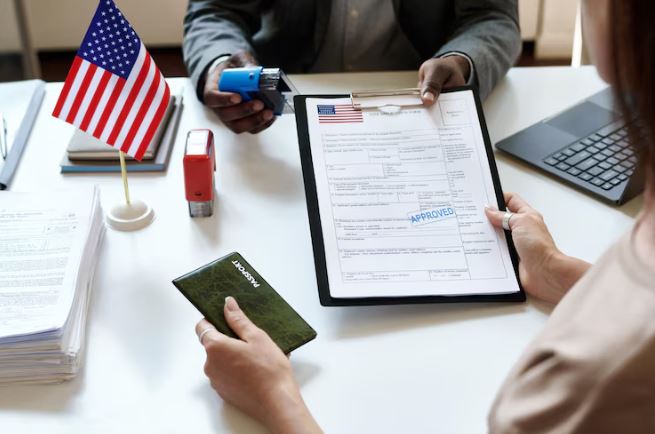
When beginning the USA student visa process from India, it's essential to understand the different types of student visas available, as each one serves a specific purpose and caters to different educational goals. The U.S. offers three main types of student visas: F-1, M-1, and J-1, each designed to accommodate various study plans and exchange programs.
| Visa Type | Purpose | Eligibility | Work Options |
| F-1 Visa | Full-time academic programs | Enroll in a U.S. university or language school | On-campus work, OPT after graduation (up to 12 months) |
| M-1 Visa | Vocational or technical training | Enroll in a vocational or technical school | Limited work opportunities |
| J-1 Visa | Exchange programs (cultural, academic) | Participate in an approved exchange program | Work related to the exchange program |
- F-1 Visa: The F-1 visa is the most common type for Indian students pursuing full-time academic programs at accredited U.S. institutions, including universities and language schools. It allows limited on-campus employment and the opportunity to apply for Optional Practical Training (OPT), which enables up to 12 months of work in the U.S. after graduation.
- M-1 Visa: This visa is tailored for students entering vocational or technical programs. The M-1 visa is more restrictive in terms of work opportunities and does not offer as much flexibility for employment as the F-1 visa does. However, it still provides an excellent pathway for acquiring practical skills in specific trades.
- J-1 Visa: The J-1 visa is for students involved in exchange programs, including both high school and university levels, as well as professional training. This visa type is often used for programs that involve cultural exchange and is usually sponsored by an educational or nonprofit organization.
Key Steps to Apply for a U.S. Student Visa from India
The process for applying USA student visa process from India involves several steps, and the specific order and method for completing these steps can vary depending on the U.S. Embassy or Consulate where you apply. Here’s a concise guide to help you navigate this journey:
- Get Accepted by a SEVP-Approved School: Before applying for a visa, you must be accepted by a U.S. institution certified by the Student and Exchange Visitor Program (SEVP). Upon acceptance, you will receive a Form I-20 from the school, which is essential for your visa application.
- Complete the DS-160 Form: The next step is to fill out the Nonimmigrant Visa Application form (DS-160) online. Ensure that all details are accurate, as errors can lead to delays or rejection. After submission, you’ll receive a confirmation page that you must print and bring to your visa interview.
- Pay the SEVIS I-901 Fee: Pay the SEVIS (Student and Exchange Visitor Information System) fee online, which is required for the F-1, M-1, and J-1 visas. This fee supports the maintenance of your student information in the U.S. immigration systemers360.
- Schedule and Prepare for the Visa Interview: Book your visa interview at the U.S. Embassy or Consulate nearest to you. Be prepared with all required documents, including the DS-160 confirmation page, Form I-20, visa fee receipt, SEVIS fee receipt, and a valid passport. During the interview, you’ll need to demonstrate your intent to study, financial stability, and plans to return to India after your studies.
- Attend the Visa Interview: On the day of your interview, arrive early and carry all necessary documents. The consular officer will ask questions about your study plans, finances, and ties to India. If approved, your visa will be processed, and your passport will be returned with the visa stamp.
Schedule an Interview
| Age | An interview is: |
| 13 and younger | Generally not required |
| 14 - 79 | Required with certain exceptions for renewals |
| 80 and older | Generally not required |
Required Documents for U.S. Student Visa Application
To successfully navigate the USA student visa process from India, gathering all the necessary documents is crucial. Proper documentation not only expedites the process but also ensures that you meet all legal requirements. Here’s a list of essential documents you need as per U.S Department of Travel State | Student Visa
| Document | Description |
| Form I-20 | Issued by your SEVP-approved school; includes SEVIS ID and program details. |
| DS-160 Confirmation Page | Online nonimmigrant visa application form; must bring the confirmation page to your visa interview. |
| Valid Passport | Must be valid for at least six months beyond your intended stay in the U.S. |
| Visa Application Fee Receipt | Proof of payment for the $185 visa application fee. |
| SEVIS I-901 Fee Receipt | Mandatory fee for F-1, M-1, and J-1 visa applicants; required before the visa interview. |
| Passport-Sized Photograph | Must meet U.S. visa specifications: white background, no glasses, neutral expression. |
| Academic Records | Includes transcripts, diplomas, degrees, certificates, and standardized test scores (e.g., TOEFL, GRE). |
| Proof of Financial Support | Demonstrates sufficient funds for tuition and living expenses; includes bank statements, tax returns. |
How to Obtain and Use the Form I-20 for Your Visa Application

In the USA student visa process from India, obtaining and properly using the Form I-20 is a critical step. The Form I-20, also known as the "Certificate of Eligibility for Nonimmigrant Student Status," is issued by your SEVP-approved school after you’ve been accepted into a program. Here’s how to obtain and use it effectively:
1. Obtaining the Form I-20:
- Acceptance by a SEVP-Approved School: Once you are accepted into a U.S. school certified by the Student and Exchange Visitor Program (SEVP), the school’s Designated School Official (DSO) will issue your Form I-20(Study in the States.
- SEVIS Registration: Your details are entered into the Student and Exchange Visitor Information System (SEVIS), and the Form I-20 is generated. Ensure that the information on the form is accurate, as it will be used throughout the visa application process.
2. Using the Form I-20:
- Visa Application: You’ll need the Form I-20 to complete the DS-160 online visa application form. The SEVIS ID from your I-20 is required during this step.
- Paying the SEVIS Fee: Before your visa interview, you must pay the SEVIS I-901 fee using the SEVIS ID found on your I-20. This fee is necessary for maintaining your student record in the SEVIS system.
- Visa Interview: Bring the original Form I-20 to your visa interview at the U.S. Embassy or Consulate. The consular officer will review this document to verify your enrollment in a U.S. institution.
- Travel and Entry into the U.S.: Upon arrival in the U.S., you must present your Form I-20 to the Customs and Border Protection (CBP) officer at the port of entry. It confirms your eligibility to study in the U.S.
Step-by-Step Guide to Completing the DS-160 Form
As part of the USA student visa process from India, completing the DS-160 form is a crucial step. The DS-160 is an online nonimmigrant visa application form that collects all the necessary information for processing your visa request. Here’s a step-by-step guide to help you complete it accurately:
| Step | Description |
| Access the DS-160 Form | Visit the CEAC website to start your application. Select the correct location for your visa application. |
| Personal Information | Enter your full name, date of birth, and other details as per your passport. Accuracy is essential. |
| Travel Information | Provide details on your intended U.S. arrival date, address, and point of contact in the U.S. |
| Passport and Visa Details | Fill in your passport number, issuance country, and any previous U.S. visa details. |
| SEVIS Information | Enter your SEVIS ID from Form I-20 to link your application to your student status. |
| Security and Background Information | Answer questions about your health, criminal background, and security concerns honestly and thoroughly. |
| Upload a Passport-Style Photo | Upload a photo that meets U.S. visa requirements; bring a printed photo if the upload fails. |
| Review and Submit | Review all information carefully before submitting. Print the confirmation page for your interview. |
| Schedule Your Visa Interview | Use the DS-160 confirmation page to schedule your visa interview at the nearest U.S. Embassy or Consulate. |
Common Mistakes to Avoid When Filling Out the DS-160
Completing the DS-160 form is a vital step in the USA student visa process from India, but even small errors can lead to delays or denial of your visa. Here are some common mistakes to avoid:
1. Inaccurate Personal Information:
- Ensure all details, such as your name, date of birth, and passport number, match exactly with your passport. Any discrepancies can cause issues during your visa interview.
2. Incorrect SEVIS ID:
- Your SEVIS ID, found on the Form I-20, is crucial for linking your visa application to your student status. Double-check that you’ve entered it correctly.
3. Incomplete Travel Information:
- Failing to provide complete and accurate travel details, including your intended U.S. address and point of contact, can raise red flags during your visa review.
4. Skipping the Security and Background Sections:
- It’s essential to answer all security and background questions honestly. Omissions or inaccurate answers can lead to visa denial or further questioning.
5. Photo Upload Errors:
- Ensure that your photo meets U.S. visa requirements. If the online upload fails, bring a compliant printed photo to your interview to avoid delays.
6. Failure to Save and Review:
- Save your progress frequently while completing the form. Before submitting, review all entries for accuracy, as you cannot make changes once the form is submitted.
For more information about student visas, click here: U.S Embassy & Consulates in India
Preparing for the U.S. Student Visa Interview
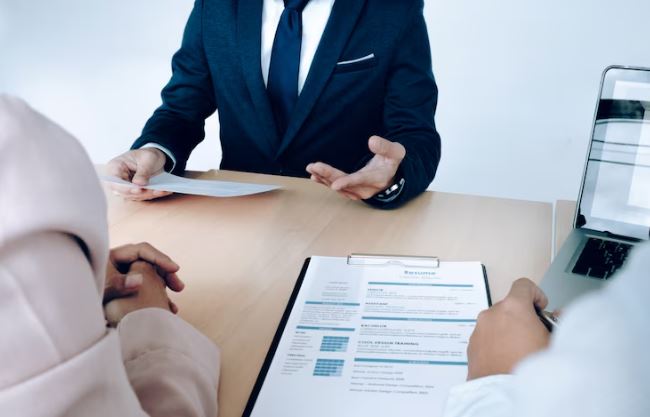
Successfully navigating the USA student visa process from India requires thorough preparation for your visa interview, which is a critical step in securing your student visa. Here’s how you can prepare effectively:
1. Organize Your Documentation: Ensure all required documents are in order. This includes your Form I-20, DS-160 confirmation page, passport, visa application fee receipt, SEVIS fee receipt, and proof of financial stability, such as bank statements or sponsorship letters. These documents are essential for verifying your eligibility and intent to study in the U.S.
2. Clarify Your Academic Intentions: Be ready to discuss your study plans in detail. The consular officer will assess your choice of program, the institution, and how these align with your long-term career goals. Clear, confident explanations demonstrate your commitment to studying in the U.S. and returning to India afterward.
3. Demonstrate Strong Ties to India: how that you have strong reasons to return to India after completing your studies. This can include family connections, property ownership, or job prospects. Providing evidence of these ties reassures the officer of your intentions to return home.
4. Practice Common Interview Questions: Prepare for questions regarding your educational background, financial situation, and plans after graduation. Practicing these questions helps you respond confidently and consistently, reducing the likelihood of mistakes during the interview.
Here are some common questions you might encounter during a U.S. student visa interview:
- Why did you choose to study in the USA?
- How many U.S. universities did you apply to?
- Which universities accepted you?
- Can you share details about the program and the university you’ve chosen?
- Have you visited the USA before?
- Do you have any relatives or friends in the USA?
- Where do you plan to stay while in the USA?
- What are your plans after graduation?
- How will you finance your studies?
- How will you cover your living expenses in the USA?
- Did you receive any scholarships?
- Are you planning to return to your home country after your studies? If so, when and why?
5. Maintain Honesty and Consistency: Honesty is crucial during your interview. Make sure all your answers are consistent with the information in your application. Any discrepancies can lead to delays or even visa denial, so accuracy is key
How to Address Common Concerns Raised by Consular Officers
During the USA student visa process from India, consular officers may raise several concerns during your interview. Effectively addressing these concerns is key to securing your visa. Here’s how to prepare:
1. Intent to Return to India:
- Concern: Officers want to ensure you intend to return to India after completing your studies.
- How to Address: Provide clear evidence of strong ties to India, such as family connections, property ownership, or a job offer. Be prepared to explain how your education aligns with your career plans in India.
2. Financial Stability:
- Concern: The officer needs assurance that you have sufficient funds to cover your tuition and living expenses in the U.S.
- How to Address: Present detailed financial documentation, including bank statements, sponsorship letters, and any scholarship information. Ensure these documents clearly show that you can afford the costs associated with your studies.
3. Educational Intent and Plans:
- Concern: The officer may question the legitimacy of your educational plans and whether you are genuinely pursuing a degree.
- How to Address: Be prepared to discuss your chosen program, why you selected that particular U.S. institution, and how this education fits into your long-term career goals. Show that you have thoroughly researched your course and how it will benefit your future.
4. Previous Visa Issues or Travel History:
- Concern: Any past visa denials or irregularities in your travel history might raise concerns.
- How to Address: If applicable, explain any previous visa issues honestly and provide supporting documentation to clarify your circumstances. Ensure your travel history is consistent with your stated intentions
By preparing for these common concerns, you can confidently address the consular officer's questions and increase your chances of successfully navigating the USA student visa process from India.
For more authoritative information on travel, click here: U.S Department of State | Travel
USA Student Visa Rejection Reasons
The common reasons for U.S. student visa rejection is crucial when navigating the USA student visa process from India. Consular officers evaluate several factors during the visa interview, and a denial can occur if certain criteria are not met.
- Insufficient Financial Proof: Failure to show you can afford tuition and living expenses in the U.S. with clear financial documentation.
- Lack of Strong Ties to India: Inability to prove you have strong reasons, like family or job prospects, to return to India after your studies.
- Inconsistent or Inaccurate Information: Providing conflicting or incorrect information on your application or during the interview.
- Weak Academic Background: If your educational or professional background doesn’t align with your study plans, your visa could be questioned.
- Suspicion of Misuse of Visa: Any suspicion that you might use the visa for purposes other than studying, such as permanent immigration, can lead to rejection.
Visa Fees and Financial Documentation
When applying for a U.S. student visa, understanding the required fees and financial documentation is critical to ensure a smooth and successful application process. This section provides essential details for applicants navigating the USA student visa process from India.
| Category | Details |
| Visa Application Fee | $185 (non-refundable fee) |
| SEVIS I-901 Fee | $350 for F-1 visa applicants (supports SEVIS tracking system) |
| Financial Documentation Required | - Bank statements showing sufficient funds - Scholarship or sponsorship letters - Loan approval letter |
| Minimum Funds Required | Must cover at least the first year of tuition and living expenses |
For success visa application to study in the States offers free government resources | Dept of Homeland Security
Proving Financial Stability for Your U.S. Student Visa
Proving your financial ability to support your studies in the U.S. is a key component of the visa application process. The consular officer will assess whether you have sufficient funds to cover both tuition and living expenses for at least the first year of your stay.
- Bank Statements: You must provide recent bank statements showing enough funds to cover your tuition and living costs. The U.S. government requires that you demonstrate access to funds for the entire first year of study.
- Scholarship and Sponsorship Letters: If you have received a scholarship or financial sponsorship, you need to present official letters detailing the amount and duration of the financial support. These documents help reduce the perceived risk of financial instability during your studies.
- Loan Approval Letter: If you are financing your education with a student loan, include an official loan approval letter from your bank or financial institution. This letter should clearly state the amount of the loan and confirm its approval for your educational expenses.
Importance of Proper Documentation
Accurate and thorough financial documentation is essential for avoiding delays or rejections in the visa process. The U.S. consulate needs to be assured that you can sustain yourself without resorting to unauthorized employment, which is strictly regulated under the F-1 visa.
Maintaining Your Legal Status as an F-1 Student in the U.S.
Maintaining your F-1 student status is essential to continue your studies in the U.S. without any issues. Here’s what you need to do:
- Enroll Full-Time: You must be registered for a full course load each semester. For undergraduates, this usually means 12 credit hours, while graduate students typically need 9 credit hours. If you need to drop below full-time, get approval from your Designated School Official (DSO) first.
- Follow Work Rules: You can work up to 20 hours per week on-campus during the school year and full-time during breaks. For off-campus work, you need specific permission, like OPT or CPT. Working without authorization can lead to serious consequences, including losing your visa.
- Keep Documents Updated: Ensure your passport is valid, and your Form I-20 reflects any changes, like switching majors or schools. Report any address changes within 10 days.
- Plan for Travel: If you travel outside the U.S., make sure your Form I-20 is signed by your DSO. You’ll also need to follow the 60-day grace period rule after you finish your studies to avoid issues.
Understanding SEVIS and the I-901 Fee
When you begin the USA student visa process from India, it's essential to understand SEVIS and the I-901 fee, as they are critical components of your F-1 visa application.
| Component | Details |
| SEVIS | Web-based system tracking F-1, M-1, and J-1 students during their stay in the U.S. |
| I-901 SEVIS Fee | $350 for F-1 visa applicants. This fee supports the SEVIS system and must be paid before your visa interview. |
| Payment Methods | Online via credit card, by mail, or through Western Union Quick Pay. |
| Receipt Requirement | Keep the payment receipt; required at the visa interview and upon entering the U.S. |
SEVIS (Student and Exchange Visitor Information System) is a web-based system maintained by the U.S. Department of Homeland Security (DHS). It tracks information about F-1 and M-1 students, as well as J-1 exchange visitors, during their time in the U.S. SEVIS helps ensure that students maintain their legal status and that schools comply with U.S. regulations.
To support the operation of SEVIS, all F-1 visa applicants must pay the I-901 SEVIS fee, which is currently $350. This fee is separate from your visa application fee and must be paid after receiving your Form I-20 but before attending your visa interview. The payment of this fee is mandatory and is used to fund the system that keeps track of international students throughout their stay in the U.S.
Visa Compliance: Enrollment and Employment Regulations
Maintaining compliance with U.S. visa regulations is crucial for F-1 students during their studies. Key areas of focus include enrollment and employment rules, which are designed to ensure that you remain in good standing with your visa status.
1. Enrollment Requirements:
You must be enrolled full-time during the fall and spring semesters—typically 12 credit hours for undergraduates and 9 credit hours for graduate students. If you need to drop below these hours, you must get approval from your Designated School Official (DSO) to avoid losing your F-1 status.
2. Employment Rules:
You can work on-campus up to 20 hours per week while classes are in session and full-time during breaks. For any off-campus work, you need special authorization, like OPT or CPT. Working without permission can lead to serious consequences, including losing your visa status.
Post-Visa Approval: Next Steps and Travel to the U.S.

After receiving approval for your F-1 visa, the final phase of the USA student visa process from India involves important steps to ensure a smooth transition to the United States. Here’s what you need to do next:
- Check Your Visa and Documents: Verify that all details on your visa and Form I-20 are correct. Keep these documents secure for travel.
- Plan Your Arrival: Arrive in the U.S. up to 30 days before your program starts. Carry your visa, passport, Form I-20, SEVIS fee receipt, and financial proof in your carry-on.
- Prepare for U.S. Immigration: At the port of entry, present your documents to the Customs and Border Protection (CBP) officer. Be ready to answer questions about your study plans.
- Report to Your School: Once on campus, report to your Designated School Official (DSO) immediately to validate your SEVIS record and attend orientations.
Related Blogs:
Conclusion:
Successfully navigating the USA student visa process from India requires careful attention to detail at every stage—from securing your visa and preparing for travel to complying with visa regulations once in the U.S. By following the outlined steps and staying informed, you can ensure a smooth transition to your studies in the United States, setting a strong foundation for your academic journey.