
 Abhyank Srinet


Table of Contents
Key Takeaways
- Post Study Work Visa USA allows international students to work in the USA after completing their degrees, providing valuable career opportunities.
- OPT (Optional Practical Training) is the most common work visa, offering up to 12 months of work authorization, with a 24-month extension for STEM graduates, allowing up to 36 months of work experience.
- CPT (Curricular Practical Training) can be used while studying and offers practical training that is integrated into your degree program.
- Transitioning from OPT to an H-1B visa can open up long-term career prospects, with an initial 3-year duration and the possibility of an additional 3-year extension.
- Around 85,000 H-1B visas are issued annually, making it crucial to apply early and meet eligibility criteria.
For international students studying in the USA, securing a post study work visa is a crucial step toward gaining valuable work experience in one of the world's largest job markets. The post study work visa USA allows graduates to extend their stay in the country and explore job opportunities related to their field of study.
Whether through Optional Practical Training (OPT) or Curricular Practical Training (CPT), these visas offer a pathway to transition from student life to professional work, giving you a competitive edge in the global job market. This guide will help you navigate the process, eligibility, and timelines for securing a work visa after your studies in the USA.
Types of Post Study Work Visa USA
As an international student, you have two primary options for post study work visa USA: Optional Practical Training (OPT) and Curricular Practical Training (CPT). Both of these visa types are designed to help you gain practical work experience related to your degree, but they serve different purposes and have distinct requirements.
1. Optional Practical Training (OPT)
This is the most common post study work visa USA. It allows you to work in your field of study for up to 12 months after graduation. For students in STEM fields, an additional 24-month extension is available, bringing the total possible OPT duration to 36 months.
2. Curricular Practical Training (CPT)
Unlike OPT, CPT is available to students while they are still enrolled in their degree program. It allows students to gain work experience through internships or practicums that are directly tied to their coursework. CPT is typically used before graduation and cannot be used after you complete your degree.
OPT: The Most Common Post Study Work Visa
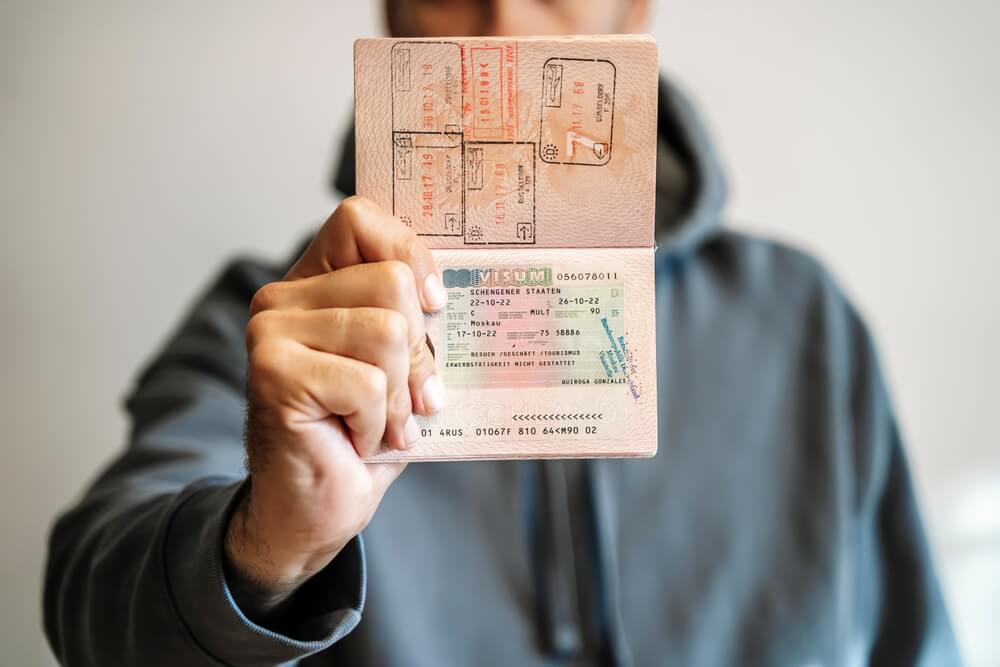
Optional Practical Training (OPT) is the most widely used post study work visa USA for international students. It allows graduates to gain practical work experience related to their field of study. Here’s everything you need to know:
Eligibility Criteria for OPT (Who can apply?)
- You must be on an F-1 student visa.
- You must have completed at least one academic year of full-time study.
- Your employment must be directly related to your field of study.
How to Apply for OPT?
- Notify your Designated School Official (DSO): Before applying, you need authorization from your university’s DSO.
- Complete Form I-765: This is the Application for Employment Authorization form.
- Submit supporting documents: This includes your I-20 form, I-94 form, passport, visa, and photos.
- Pay the application fee: The current fee for Form I-765 is $410.
- Wait for your Employment Authorization Document (EAD): Once approved, you’ll receive your EAD card, which allows you to begin working.
Application Timeline
- You can apply for OPT up to 90 days before completing your degree and up to 60 days after graduation.
- The U.S. Citizenship and Immigration Services (USCIS) typically takes 90 days to process OPT applications, so applying early is essential.
OPT Extension for STEM Courses (24-month extension)
If you have completed a degree in a STEM (Science, Technology, Engineering, Mathematics) field, you are eligible for a 24-month extension, giving you a total of 36 months of OPT.
Eligibility for extension: To qualify, your employer must be enrolled in the E-Verify program, and you must have earned a degree from an accredited U.S. institution.
How to apply for OPT extension?
- Submit Form I-765 again, along with supporting documents.
- Include your EAD card and proof of employment from your STEM employer.
OPT for Non-STEM Courses
- Non-STEM graduates can apply for 12 months of OPT. However, no extension is available for these students.
- Duration and process for applying: The application process is the same, but you must ensure you apply within the provided 60-day grace period after graduation.
CPT: Another Path to Gain Practical Experience

Curricular Practical Training (CPT) offers international students the opportunity to gain hands-on work experience while they are still enrolled in their degree program. Unlike Optional Practical Training (OPT), CPT is designed to integrate with your coursework, often through internships, practicums, or cooperative education programs.
What is CPT?
CPT is a form of off-campus employment that is directly tied to your degree program. It allows you to apply what you’ve learned in the classroom to a real-world work setting. CPT must be a required part of your curriculum or receive academic credit.
Key Facts About CPT
- When can you apply? You are eligible for CPT after completing one full academic year (unless your program requires it sooner).
- Duration: CPT is generally granted for the duration of your course or internship, and it can be part-time (20 hours or less per week) during the academic year or full-time during breaks.
- No cap on duration: You can use CPT for as long as your program requires, but if you work full-time on CPT for 12 months or more, you will no longer be eligible for OPT.
- Employer-specific: Unlike OPT, CPT is employer-specific, meaning you must have a job offer in hand to apply.
Difference Between OPT and CPT
While both Optional Practical Training (OPT) and Curricular Practical Training (CPT) allow international students to work and gain practical experience in the USA, they differ in terms of timing, purpose, and restrictions.
Key Differences Between OPT and CPT
Purpose:
- OPT: Designed for work experience that complements your field of study but doesn’t have to be a required part of your curriculum.
- CPT: Directly tied to your coursework and usually required by your degree program, such as internships or practicums.
Timing:
- OPT: Can be used before or after completing your degree. Pre-completion OPT is part-time during studies, while post-completion OPT is typically full-time after graduation.
- CPT: Must be done while you are still enrolled in your program. It cannot be used after you graduate.
Duration:
- OPT: Standard OPT lasts for 12 months, with a possible 24-month extension for STEM graduates.
- CPT: There’s no set limit on how long you can use CPT, but if you accumulate 12 months of full-time CPT, you will lose eligibility for post-completion OPT.
Application Process:
- OPT: Requires approval from the U.S. Citizenship and Immigration Services (USCIS) through Form I-765.
- CPT: Doesn’t require USCIS approval; you can apply through your university’s Designated School Official (DSO).
Work Restrictions:
- OPT: You are free to work for any employer, as long as the job is related to your field of study.
- CPT: You must have a job offer before applying, and the work must be directly connected to your academic program.
Transitioning from OPT to H-1B Visa
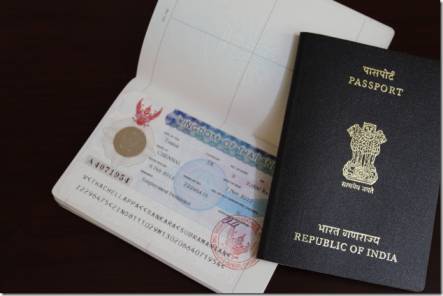
After completing your Optional Practical Training (OPT), many international students aim to continue working in the USA by transitioning to an H-1B visa, a non-immigrant work visa for skilled professionals. This visa allows you to work for a U.S. employer for an extended period and is often a pathway to long-term residency.
How to Apply for an H-1B Visa?
- Secure a job offer: The first step is securing a job offer from a U.S. employer willing to sponsor your H-1B visa.
- Employer applies: Your employer must file a petition (Form I-129) with the U.S. Citizenship and Immigration Services (USCIS) on your behalf.
- Participate in the lottery: The H-1B visa is capped at 85,000 visas per year, including 20,000 for graduates from U.S. institutions with a master’s degree or higher. If the number of applicants exceeds the cap, a lottery system is used.
- Approval: If selected, USCIS will process the petition, and you will be issued an H-1B visa.
Eligibility Criteria for H-1B Visa
- You must have at least a bachelor’s degree or its equivalent in a specialized field (e.g., engineering, IT, healthcare).
- The job you’re applying for must require the skills and qualifications of someone with your educational background.
- Your employer must agree to pay the prevailing wage for your role.
Duration and Validity of H-1B Visa
- The initial duration of the H-1B visa is 3 years, but it can be extended for an additional 3 years, giving you a total of 6 years of work eligibility.
- After 6 years, you must either apply for a Green Card (if eligible) or return to your home country. Some exceptions allow for further extensions if your Green Card application is in process.
Best Practices for Maintaining Your Visa Status in USA

Maintaining your visa status is essential to legally stay and work in the USA. Whether you are on an F-1 student visa, OPT, or H-1B visa, failing to follow the rules could result in losing your legal status and facing deportation. Here are some best practices to ensure you remain in compliance with U.S. immigration laws.
Keeping Your Visa Status Valid: Key Tips
- Follow U.S. Laws and University Regulations: Always obey federal and state laws, and adhere to your university’s student code of conduct. Violations could lead to visa revocation.
- Update Your Address: It’s mandatory to report any change of address to USCIS within 10 days. Failure to do so could affect your visa status.
- Maintain a Valid Passport: Your passport must be valid for at least six months beyond your intended stay in the U.S. Always renew it in advance if it's close to expiring.
- Ensure Your Travel Documents are Updated: Before leaving the U.S. for a short visit abroad, ensure your visa and I-20 form (for F-1 students) are valid and properly signed by your Designated School Official (DSO).
- Stay Within Work Authorization Limits: For students on OPT, ensure that you’re only working in your field of study and do not exceed the hours or conditions specified in your visa. For H-1B holders, only work for your sponsoring employer.
Related Blog
| SOP | SOP for Visa |
| F1 Visa | F1 Visa interview questions |
| USA Student Visa | USA Student Visa process from India |
| F1 Visa | F1 Visa Slots |
Conclusion
Securing a post study work visa USA is an important step for international students looking to gain valuable work experience and build their careers in the USA. Whether through OPT, CPT, or transitioning to an H-1B visa, these options provide graduates with the opportunity to apply their skills and knowledge in a real-world setting. Following this guide will ensure you’re prepared to make the most of your time in the USA and take full advantage of the career opportunities available to you.