
 Abhyank Srinet


Table of Contents
Key Takeaways:
- Understand the different types of Irish student visas and which one suits your study program.
- Learn about the mandatory documents required for your visa application, including proof of acceptance and financial resources.
- Discover the step-by-step application process and how to prepare for your visa interview.
- Gain insights into the processing times and fees associated with Irish student visas.
Are you considering Ireland as your destination for higher education? The Emerald Isle offers world-class universities, a rich cultural heritage, and exciting career opportunities. However, before you can begin your academic journey, you'll need to navigate the Ireland student visa process. This comprehensive guide will walk you through the essential steps, requirements, and tips to help you secure your student visa and make your dream of studying in Ireland a reality.
What is an Ireland Student Visa?
An Ireland student visa is essential for non-EU/EEA students planning to study in Ireland for more than three months. This visa, particularly the long-stay 'D' visa, allows international students to live in Ireland while pursuing a full-time course at a recognized institution.
To apply, you must provide proof of acceptance into an educational program, demonstrate sufficient financial resources, and meet specific health and character standards. The visa application process is straightforward, typically taking about four to eight weeks to process, depending on your country of residence.
Holding an Ireland student visa not only allows you to study but also gives you the opportunity to work part-time during your studies (up to 20 hours per week) and full-time during holidays, which can help manage living expenses. It’s crucial to comply with visa conditions to avoid any legal issues during your stay in Ireland
| Aspect | Details |
|---|---|
| Type of Visa | Long-Stay 'D' Visa |
| Who Needs It? | Non-EU/EEA students planning to study in Ireland for more than three months |
| Requirements | - Acceptance into a recognized Irish institution - Proof of financial resources - Meet health and character standards |
| Processing Time | Typically 4 to 8 weeks, depending on the applicant's country of residence |
| Work Rights | - Part-time work (up to 20 hours/week) during academic term - Full-time work during holidays |
| Important Considerations | Compliance with visa conditions is essential to avoid legal issues during your stay |
Types of Ireland Student Visas
There are two main types of Ireland student visas, depending on the duration of your stay and the nature of your course. The table below outlines the key differences:
| Visa Type | Details |
| Short Stay 'C' Visa | This visa is for students who plan to study in Ireland for less than 3 months. It is typically used for short-term courses or study programs. |
| Long Stay 'D' Visa | This visa is for students who plan to study in Ireland for more than 3 months. It is required for full-time degree programs or courses that exceed 90 days in duration. This is the most common visa for international students. |
Eligibility Criteria for an Ireland Student Visa
To apply for an Ireland student visa, non-EU/EEA students must meet several essential criteria. These include having an offer from a recognized institution, proving financial stability, and demonstrating language proficiency. Below is a detailed breakdown of these requirements to help you understand what's needed to successfully apply for the visa.
Visit for Visa Requirements for Entering Ireland | Department of Foreign Affairs
| Eligibility Criteria | Details |
|---|---|
| Course Offer | You need an offer letter from a recognized full-time course listed on the Interim List of Eligible Programmes (ILEP). |
| Financial Resources | You must show you have at least €7,000 for your first year and enough funds for each following year. |
| Language Proficiency | You need to prove your English or Irish language skills, usually with a test like IELTS. |
| Medical Insurance | You must have private health insurance to cover your stay in Ireland. |
| Intent to Leave | You must confirm that you will leave Ireland after completing your studies. |
| Health and Character Standards | You need to meet basic health and character requirements. |
How to Apply for an Ireland Student Visa
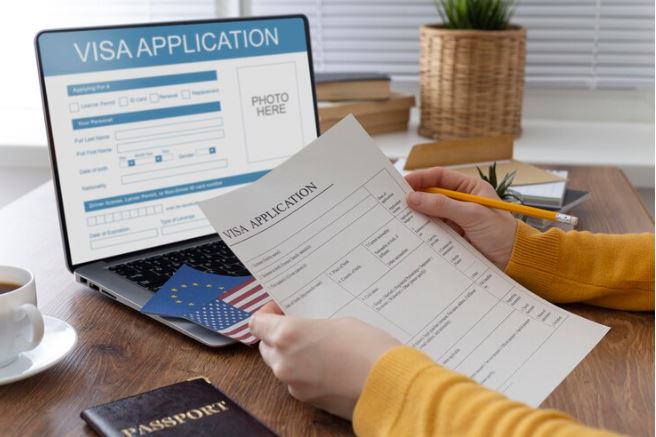
Applying for an Ireland student visa involves several key steps that you need to follow to ensure a successful application.
1. Check Your Eligibility: Confirm that your course is listed on the Interim List of Eligible Programmes (ILEP) and that you meet the financial, health, and character requirements.
2. Prepare Required Documents: Gather essential documents including:
- A valid passport
- Two recent passport-sized photos
- A signed letter of application with your full contact details
- Proof of acceptance into an Irish educational institution
- Evidence of sufficient funds (at least €7,000 for the first year)
- Private medical insurance
- Proof of payment for your course
3. Complete the Online Application: Go to the Irish Immigration website and fill out the online application form for a long-term study visa.
4. Pay the Visa Fee: Pay the application fee online as part of the submission process. Fees may vary based on the type of visa and processing speed.
5. Submit Your Application: Print out your completed application form and submit it, along with all required documents, to your nearest Visa Application Office, Irish Embassy, or Consulate.
6. Attend an Interview (if required): Some applicants may be required to attend an interview at their local visa office as part of the application process.
7. Wait for the Decision: Processing times typically range from 8 to 12 weeks, depending on the time of year and your specific circumstances.
8. Receive Your Visa: Once your application is approved, your visa will be issued. Make sure to verify all details on the visa for accuracy.
To know more in detailed information; How to apply for long-term study visa | Department of Irish Immigration
Ireland Student Visa Processing Time

The processing time for an Ireland student visa generally ranges from 8 to 12 weeks, depending on the time of year and the volume of applications received. It’s essential to apply as early as possible to avoid delays, especially during peak periods, such as the start of the academic year.
Once your application is submitted, it will be reviewed by the Irish Naturalisation and Immigration Service (INIS). If additional information or documentation is required, this could extend the processing time. Therefore, ensuring all your documents are complete and accurate from the start is crucial.
Step-by-Step Application Process
Applying for an Ireland student visa involves several important steps. Here’s a simplified guide to help you through the process:
- Receive an Offer from an Irish Institution: Ensure you have a formal offer from a recognized Irish educational institution. Your course must be listed on the Interim List of Eligible Programmes (ILEP).
- Gather Required Documents: Prepare essential documents such as a valid passport, recent passport-sized photos, proof of acceptance, evidence of financial resources (at least €7,000 for your first year), and health insurance coverage.
- Complete the Online Application: Visit the Irish Immigration website to fill out the online visa application form. Be accurate and thorough with your details to avoid delays.
- Pay the Visa Fee: Submit the required visa fee online during the application process. Fees can vary depending on your country of residence and the type of visa.
- Submit Your Application: Print the completed application form and submit it, along with all supporting documents, to the nearest Irish Visa Application Centre, Embassy, or Consulate.
- Track Your Application: Use the tracking number provided to monitor the status of your application on the INIS website.
Attend an Interview (if required): Some applicants may need to attend an interview at their local visa office as part of the application process. - Wait for Processing: The processing time typically takes 8 to 12 weeks. It’s important to apply well in advance of your course start date.
- Receive Your Visa: Once approved, your visa will be issued, and you can begin planning your move to Ireland.
Required Documents for the Application
When applying for an Ireland student visa, it's essential to gather all the necessary documents to ensure your application is processed smoothly. Here’s a list of the key documents you’ll need:
| Required Document | Details |
|---|---|
| Valid Passport | Must be valid for at least six months beyond your planned departure date from Ireland. |
| Visa Application Form | Complete the online form on the Irish Immigration website and print the summary. |
| Proof of Acceptance | Official letter from a recognized Irish institution confirming your enrollment in a course listed on the Interim List of Eligible Programmes (ILEP). |
| Financial Evidence | Proof of sufficient funds (at least €7,000 for the first year) to support yourself during your stay. |
| Proof of Payment of Tuition Fees | Receipts or bank statements showing payment of your course fees or a substantial portion. |
| Health Insurance | Evidence of private medical insurance that covers your entire stay in Ireland. |
| Passport-Sized Photographs | Two recent photos that meet the visa photo requirements. |
| Study Plan and Motivation Letter | A letter explaining your study plan and reasons for choosing Ireland. |
| English Language Proficiency | Proof of language proficiency, such as IELTS or TOEFL scores, if required by your course. |
| Previous Visa History | Details of any previous visas held for Ireland or other countries, if applicable. |
Common Reasons for Ireland Student Visa Rejection

When applying for an Ireland student visa, it's crucial to avoid common pitfalls that could lead to rejection. Here are the key reasons:
- Incomplete Documents: Missing or incorrectly filled forms can lead to immediate rejection. Ensure every document is complete and accurate.
- Insufficient Funds: You must prove you have at least €7,000 for your first year in Ireland. Without this proof, your visa might be denied.
- Weak Ties to Home Country: Failing to show that you plan to return home after your studies can cause concern and lead to rejection.
- Unclear Study Purpose: If your study plan is vague or doesn’t align with your career goals, it can raise doubts about your intentions.
- Language Skills: If you don’t meet the required English proficiency levels, your visa application could be rejected.
Post-Visa Approval: What to Do Next?
Once your Ireland student visa is approved, there are a few important steps you need to take before starting your studies:
- Check Visa Details: Verify that all the details on your visa are correct. This includes your name, the duration of your stay, and the conditions attached to your visa.
- Book Your Travel: Arrange your travel to Ireland. It’s advisable to arrive a few weeks before your course starts to settle in and familiarize yourself with your new surroundings.
- Arrange Accommodation: Secure your accommodation in Ireland. Whether it’s on-campus housing, a private rental, or homestay, make sure it’s sorted before you arrive.
- Health Insurance: Ensure you have valid health insurance that covers you during your stay in Ireland. This is a requirement for your stay and must be arranged before you travel.
- Prepare Necessary Documents: Have all your important documents ready, including your acceptance letter, proof of funds, and any other required documentation. These may be needed for immigration checks upon arrival.
- Register with Local Authorities: Upon arrival in Ireland, you’ll need to register with the Irish Naturalisation and Immigration Service (INIS) within 90 days to obtain your Irish Residence Permit (IRP). This is crucial for legally staying in Ireland as a student.
Study in Ireland for Indian Students
Related Blogs:
- Student visa for Ireland from India
- Student visa
- USA student visa process from India
- Student visa for Spain from India
Conclusion
Successfully obtaining an Ireland student visa is essential for starting your studies in Ireland. By carefully following the application steps and ensuring all required documents are in order, you can avoid common issues and ensure a smooth process. Always refer to the Irish Immigration website for accurate and up-to-date information to guide you through the process confidently.