 Abhyank Srinet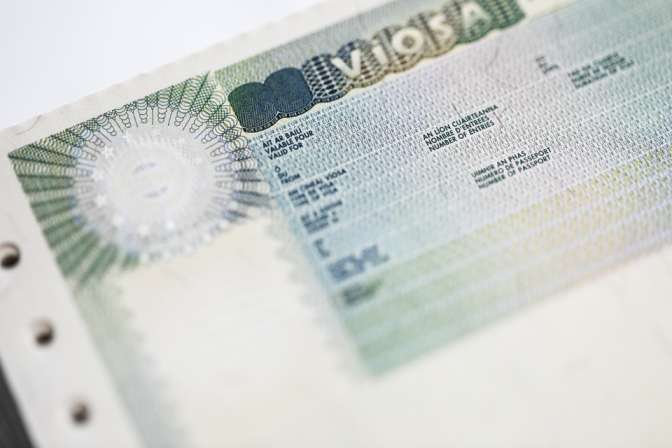


Table of Contents
Key Takeaways:
- Ireland offers both Short Stay (C Visa) and Long Stay (D Visa) options, depending on the duration of your course.
- On average, the visa processing time ranges from 4 to 8 weeks. It’s advisable to apply at least 3 months before your intended travel date.
- The visa fee is approximately €60 for a single-entry visa and €100 for a multiple-entry visa.
- Over 90% of student visa applications from India to Ireland are approved, reflecting the robust demand and favorable conditions for Indian students.
- Applicants must show proof of at least €7,000 in funds for each year of study, in addition to covering tuition fees.
Pursuing higher education in Ireland is a dream for many Indian students, especially those looking to immerse themselves in a rich cultural heritage while receiving a world-class education. Ireland's dynamic educational landscape, combined with its welcoming environment, makes it an increasingly popular destination for students from India. However, before you can embark on this academic journey, securing a student visa is a crucial step.
This guide will walk you through the entire process of obtaining a Student Visa for Ireland from India, ensuring you are well-prepared and confident in your application. From understanding the different types of visas to navigating the application process and meeting eligibility requirements, we've got you covered.
Types of Ireland Student Visas
When planning to study in Ireland, it's essential to understand the different types of student visas available. The visa type you need depends on the duration and nature of your course. Ireland offers two primary types of student visas for international students, including those from India:
1. Short Stay (C Visa):
The Short Stay Visa, also known as the 'C Visa,' is suitable for students enrolling in courses that last less than 90 days. This visa is ideal for short-term courses, language programs, or certification courses. However, it's important to note that with a C Visa, you are not allowed to work during your stay in Ireland, and the visa cannot be extended beyond its initial period.
2. Long Stay (D Visa):
For students pursuing degree programs, including undergraduate, postgraduate, and Ph.D. courses, the Long Stay Visa, or 'D Visa,' is the appropriate choice. This visa allows you to stay in Ireland for the duration of your course, typically over 90 days. The D Visa also permits students to work part-time during their studies, providing an opportunity to gain work experience and support themselves financially.
Eligibility Requirements for Ireland Student Visa
.jpg)
Before applying for student visa for Ireland from India, it’s crucial to ensure you meet the necessary eligibility requirements. These criteria are designed to assess whether you have the academic qualifications, financial stability, and intent to pursue education in Ireland. Here’s what you need to qualify for an Ireland student visa as an Indian student:
1. Acceptance into a Recognized Educational Institution:
You must have an offer of admission from a recognized educational institution in Ireland. This includes universities, colleges, and language schools. The acceptance letter should clearly state the course details, start and end dates, and any tuition fees paid.
2. Proof of Financial Stability:
You are required to demonstrate that you have sufficient funds to support yourself during your stay in Ireland. This includes covering tuition fees, living expenses, and any other associated costs. Typically, you should show evidence of having at least €7,000 for each year of your study in addition to your tuition fees.
3. Valid Passport:
A valid passport is essential when applying for a student visa for Ireland from India. Ensure that your passport is valid for at least 12 months from your planned arrival date in Ireland.
4. Proof of English Language Proficiency:
Since courses in Ireland are conducted in English, you must provide evidence of your English language proficiency. This is usually demonstrated through standardized tests such as IELTS, TOEFL, or PTE. The required scores may vary depending on the course and institution.
5. Medical Insurance:
It’s mandatory to have medical insurance that covers you during your entire stay in Ireland. The insurance should cover any medical expenses you might incur and repatriation costs in case of serious illness.
Ireland Student Visa Processing Time in India
The processing time for student visa for Ireland from India typically ranges from 4 to 8 weeks, depending on various factors such as the time of year, the volume of applications, and the completeness of your submitted documents. It’s advisable to apply for your visa as early as possible, ideally three months before your intended date of travel, to account for any unexpected delays.
During peak times, such as the beginning of academic terms, processing times may be longer due to the higher number of applications. To avoid any last-minute issues, ensure that all your documents are in order and that you have accurately completed the visa application. Additionally, staying updated on the status of your application through the AVATS online portal can help you manage your travel plans effectively.
Student Visa Fee for Ireland from India
The student visa fee for Ireland from India varies depending on the type of visa you are applying for. As of the most recent guidelines, the fee for a single-entry visa, which allows you to enter Ireland once, is approximately €60. If you require a multiple-entry visa, which permits multiple entries into the country during your study period, the fee is around €100.
These fees are subject to change, so it’s essential to check the latest fee structure before applying. In addition to the visa application fee, you may also need to account for additional costs such as visa service charges, medical insurance, and any necessary document translation or verification fees. Ensuring you have a clear understanding of these MBA in Ireland cost will help you plan your finances effectively for your study abroad journey.
Ireland Student Visa Checklist for Indian Students
When applying for student visa for Ireland from India, it’s essential to ensure that all required documents are in order to avoid any delays or issues with your application. Here’s a comprehensive checklist for Indian students:
- Valid Passport: Ensure your passport is valid for at least 12 months from your intended date of arrival in Ireland.
- Letter of Acceptance: A formal letter from the Irish educational institution confirming your admission to a full-time course.
- Proof of Payment: Evidence that you have paid your tuition fees or a significant portion of them. This can include receipts or bank statements.
- Financial Statements: Documents showing that you have sufficient funds to cover your tuition fees and living expenses in Ireland, typically at least €7,000 for each year of study.
- Passport-sized Photographs: Recent passport-sized photos that meet the visa photo requirements.
- English Language Proficiency Test Results: Valid scores from recognized English language tests like IELTS, TOEFL, or PTE.
- Visa Application Form: A completed and signed visa application form, typically filled out online via the AVATS system.
- Accommodation Details: Proof of accommodation arrangements in Ireland, such as a booking confirmation or a letter from your host.
- Visa Application Fee Receipt: A receipt confirming that you have paid the visa application fee.
How to Apply for an Ireland Student Visa
Applying for student visa for Ireland from India involves a series of steps that must be carefully followed to ensure a successful application. Here’s a step-by-step guide for Indian students:
1. Confirm Your Admission
Before starting your visa application, ensure that you have received an official letter of acceptance from a recognized educational institution in Ireland. This letter should confirm your enrollment in a full-time course.
2. Gather Required Documents
Refer to the Ireland student visa checklist to gather all necessary documents, including your passport, financial statements, proof of tuition fee payment, and medical insurance. Ensure that each document is in the correct format and meets the specific requirements set by the Irish authorities.
3. Complete the Online Visa Application (AVATS)
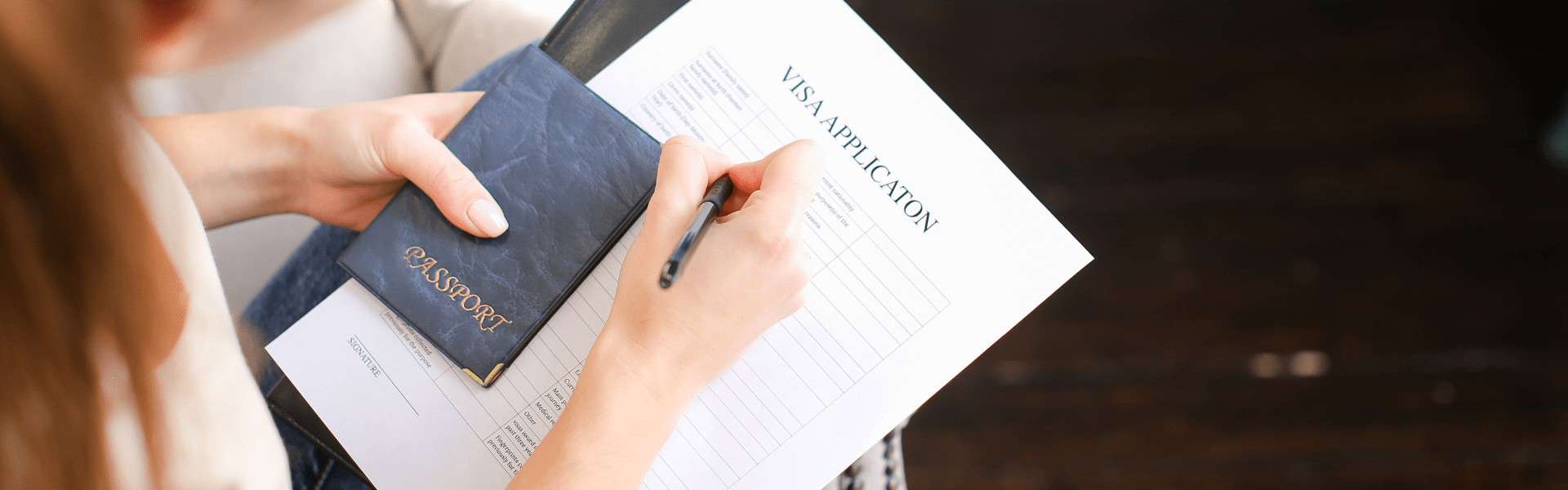
The visa application process begins online through the AVATS (Automated Visa Application Tracking System). You will need to fill out the visa application form, providing accurate details about your personal information, course details, and travel plans. Once the form is completed, print out the summary application form and sign it.
4. Pay the Visa Fee
After completing the application form, you will need to pay the applicable visa fee. This can typically be done online. Ensure that you keep the receipt as proof of payment, as it will need to be submitted with your application.
5. Submit Your Application
With your signed application form and all supporting documents, you can submit your application to the nearest Irish Visa Application Centre (VAC) in India. Make sure to include your passport, visa fee receipt, and any additional documents required by the specific VAC.
6. Attend a Visa Interview (if required)
In some cases, you may be required to attend an interview as part of the visa application process. If so, prepare thoroughly by reviewing common interview questions and ensuring that you can confidently discuss your study plans and financial situation.
7. Track Your Application:
After submitting your application, you can track its progress through the AVATS system. This allows you to stay updated on the status of your visa and anticipate any additional steps that may be required.
8. Receive Your Visa
Once your visa application is approved, you will be notified to collect your passport with the visa sticker. Ensure that you check all the details on your visa to confirm they are correct.
Post-Visa Approval Steps

Once your student visa for Ireland from India has been approved, there are several important steps you need to take before you can embark on your academic journey. These steps will help ensure that your transition to studying in Ireland is smooth and hassle-free.
1. Verify Visa Details
After receiving your passport with the visa sticker, carefully check all the details on your visa. Ensure that your name, passport number, visa type, and validity dates are correct. If you notice any discrepancies, contact the visa office immediately to rectify the issue.
2. Arrange Travel Plans
With your visa in hand, you can now finalize your travel arrangements. Book your flight to Ireland, keeping in mind the start date of your course and any pre-departure orientations your institution might offer. It's advisable to arrive in Ireland at least a few days before your course begins to settle in and familiarize yourself with the surroundings.
3. Secure Accommodation
Ensure that your accommodation arrangements are confirmed. Whether you’re staying in university housing, a private rental, or with a host family, make sure you have all the details in place. It’s also a good idea to have your accommodation address handy when you travel, as you may need to provide it upon arrival in Ireland.
4. Prepare Financial Documents
Carry copies of your financial documents, such as bank statements and scholarship letters, as you may need to present them at immigration upon arrival. It's also wise to have some cash or a credit card available for immediate expenses when you land in Ireland.
5. Health Insurance and Medical Records
Ensure that you have your health insurance details readily available. It’s also helpful to carry copies of your medical records, including any prescriptions, in case you need medical attention during your stay.
6. Register with Local Authorities
Upon arrival in Ireland, you are required to register with the local immigration office. This process involves obtaining your Irish Residence Permit (IRP), which confirms your legal status in the country. Make sure to bring your passport, visa, and proof of enrollment when you go for registration.
7. Attend Orientation
Most Irish institutions offer an orientation program for international students. Attending this orientation is highly recommended as it will provide you with valuable information about living in Ireland, navigating the campus, and understanding academic expectations.
8. Stay Connected with Family
Finally, keep your family informed about your safe arrival and provide them with your new contact information in Ireland. Regular communication will help them stay reassured as you settle into your new life.
How to answer in Visa Interview?
Related Blog:
| USA Visa | USA student visa process from India |
| Ireland Visa | Ireland student visa |
| Spain Visa | Student visa for Spain from India |
Conclusion
Securing a student visa for Ireland from India is a critical step in this process, and understanding the requirements, application procedures, and post-approval steps will help ensure a smooth transition to your new life in Ireland. From choosing the right visa type and gathering essential documents to navigating the application process and preparing for your move, this guide provides a comprehensive roadmap to help you achieve your dream of studying in Ireland. Best of luck with your studies and your journey ahead!