
 Abhyank Srinet


Table of Contents
Key Takeaways:
- Over 60% of GMAT test-takers from non-math backgrounds find the quant section challenging, but targeted strategies can improve scores significantly.
- Consistent practice for at least 1-2 hours daily can boost your GMAT quant score within 3 months.
- Data Sufficiency questions make up about 40% of the GMAT quant section, making it crucial to focus on mastering this question type.
- Using official GMAT resources and mock tests can improve your quant score by up to 15-20%, even without a math background.
- Time management strategies are key, with top scorers averaging under 2 minutes per question in the quant section.
Preparing for the GMAT can be a daunting task, especially for those from non-math backgrounds. The GMAT quant for non math backgrounds section often poses a challenge, as it tests concepts like arithmetic, algebra, and geometry, which may not be familiar to everyone. However, with the right strategies and preparation, even students without a strong foundation in math can excel in this section. This guide is designed to help you understand the key challenges, develop effective study plans, and approach the GMAT quant section with confidence, so you can achieve the scores needed for your master’s degree abroad.
Common Challenges for GMAT Quant for Non Math Backgrounds

For students with non-math backgrounds, tackling the GMAT quant for non math backgrounds section can feel overwhelming. Here are some of the common challenges they face:
- Difficulty in Grasping Complex Math Concepts: Concepts like algebra, geometry, and statistics can be unfamiliar to those who haven't studied math in years, making it harder to follow and apply them during the test.
- Time Management Struggles: The GMAT quant section is not just about solving problems but solving them quickly. For students from non-math backgrounds, keeping up with the time constraints can be challenging, especially when dealing with complex calculations.
- Overcoming Math Anxiety: Many non-math students experience anxiety when facing numbers, which can lead to hesitation and second-guessing during the test. This emotional barrier often impacts performance, making it crucial to build confidence through practice.
Effective Strategies to Master GMAT Quant for Non Math Backgrounds
Mastering the GMAT quant for non math backgrounds section requires a focused approach, especially for those unfamiliar with advanced math concepts. Here are some proven strategies to help you excel:
Review Basic Math Concepts First
Start by reviewing foundational math topics like arithmetic, algebra, and geometry. These concepts form the backbone of most GMAT quant questions. Focus on strengthening your understanding of basic operations, fractions, percentages, and ratios, as they appear frequently in the test.
Tip: Use online tutorials or beginner-level math books to brush up on these basics before diving into more complex topics.
Start with Simple Problems and Gradually Increase Difficulty
It’s essential to build confidence by solving easier problems first, then moving to more difficult ones as you progress. This method will help you develop problem-solving techniques without feeling overwhelmed. Starting small and gradually increasing the complexity ensures you don’t get discouraged early on.
Tip: Solve practice problems from the GMAT Official Guide, focusing first on lower-difficulty questions and moving up to medium and hard levels.
Leverage Online Resources and GMAT Prep Courses
Enrolling in GMAT prep courses tailored for non-math students can be a game-changer. These courses often focus on simplifying complex concepts and providing step-by-step explanations for each type of quant question. Additionally, many online platforms offer personalized study plans based on your strengths and weaknesses.
Tip: Look for courses that offer detailed instruction on GMAT quant for non math backgrounds, such as those provided by popular GMAT prep platforms.
Tips to Approach GMAT Math with Confidence

Building confidence for the GMAT quant for non math backgrounds section is essential to achieving a high score. Here are some tips to help you approach the math section with a positive mindset and effective strategy:
Break Down Questions into Simple Steps
One of the best ways to tackle GMAT quant questions is by breaking them down into manageable steps. Even if a problem looks complicated at first glance, focusing on one part at a time can simplify the process. This approach reduces overwhelm and helps you stay on track with your calculations.
Tip: Practice solving questions methodically, identifying the key components first before diving into calculations.
Focus on Data Sufficiency: Common Pitfalls and Tips
For many non-math students, Data Sufficiency questions can be tricky. These questions test logical reasoning as much as math skills, so it’s important to understand the format and avoid common traps. Make sure you analyze each statement independently before considering them together.
Tip: When answering Data Sufficiency, ask yourself, "Do I have enough information to solve this?" rather than jumping into calculations right away.
Master Time Management Techniques
Time management is critical when facing the GMAT quant section. It’s easy to get stuck on a difficult question and lose valuable time. Learning how to pace yourself and quickly skip questions you can't answer immediately will help ensure you have time to tackle all problems in the section.
Tip: Practice under timed conditions using mock tests. Aim to spend no more than two minutes on any single question.
Preparing for GMAT Quant Without a Math Background
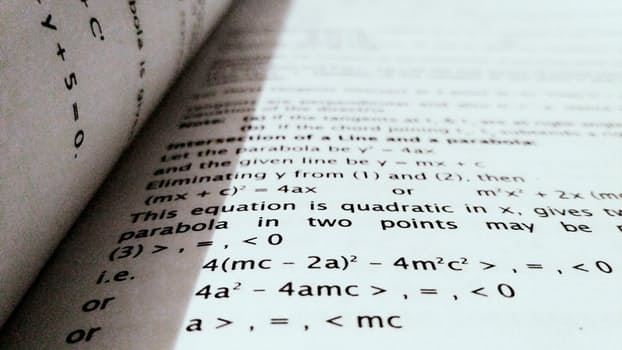
For non-math students, preparing for the GMAT quant for non math backgrounds section requires a strategic approach. Here are key steps to help you prepare effectively:
- Set Realistic Study Goals: Start by setting small, achievable goals that help build your math skills over time. Break down your study plan into weekly or daily targets to stay on track.
- Allocate Sufficient Time for Math Review: Dedicate extra time to reviewing basic math concepts such as arithmetic, algebra, and geometry. Mastering these fundamentals is essential before moving on to more complex GMAT questions.
- Focus on Practice Over Theory: Practical application is key when preparing for GMAT quant. Spend more time solving practice problems than reading about mathematical theories.
- Practice Specific Question Types: Familiarize yourself with the two primary question types—Problem Solving and Data Sufficiency. This will help you recognize patterns and develop efficient strategies for each type.
- Use Timed Practice Tests: Taking practice tests under timed conditions will help you manage the pressure of the real exam and improve your ability to solve questions within the time limit.
- Utilize GMAT Official Guide and Other Prep Materials: Invest in quality prep resources like the GMAT Official Guide. These materials provide accurate representations of the types of questions you'll face on the exam.
Study Resources for Non-Math Students

When preparing for the GMAT quant for non math backgrounds, it's important to leverage the right study resources that cater specifically to non-math students. Here are some of the best resources to help you succeed:
GMAT Official Guide
This is the go-to resource for practicing real GMAT questions. It provides comprehensive coverage of all question types, including Problem Solving and Data Sufficiency. The guide also includes detailed explanations to help non-math students understand the logic behind each solution.
Online GMAT Prep Courses
Platforms like Magoosh, Kaplan, and GMAT Club offer online courses tailored for non-math students. These courses break down complex concepts into simple, digestible lessons and offer personalized study plans to help strengthen your weak areas.
YouTube Tutorials
Channels like "GMAT Prep Now" and "Manhattan Prep GMAT" feature free video tutorials explaining key math concepts in an easy-to-understand way. These are especially helpful for visual learners who need step-by-step guidance.
Mobile Apps for Daily Practice
Apps like Ready4GMAT and Magoosh GMAT Prep offer bite-sized practice sessions that can be done on the go, perfect for busy students looking to reinforce their math skills daily.
Math Review Books
Books like "Manhattan Prep GMAT: Foundations of Math" are designed specifically for non-math students, covering essential concepts in a simple, straightforward manner.
Related Blog
| GMAT Verbal Book | Books for GMAT Verbal preparation |
| GMAT English Book | GMAT English preparation Books |
| GMAT Question paper | GMAT Question paper Pattern |
| GMAT Quant Data | GMAT quant data sufficiency |
Conclusion
While the GMAT quant for non math backgrounds section may seem intimidating, it is entirely possible to succeed with the right approach and resources. By understanding the challenges, reviewing basic math concepts, practicing regularly, and utilizing targeted study materials, students from non-math backgrounds can build the confidence needed to excel. With dedication and the right preparation, you’ll be well-equipped to achieve your desired GMAT quant score and take the next step toward your master's degree abroad.