
 Abhyank Srinet


Table of Contents
- Who Should Follow a 4 Month GMAT Preparation Plan?
- 4 Month GMAT Study Plan: Weekly Breakdown
- Week 1-2: Diagnostic Test & Basic Review
- Week 3-4: Quantitative Fundamentals
- Week 5-6: Verbal Fundamentals
- Week 7-8: Integrated Reasoning & AWA
- Week 9: Full-Length Practice Test 1
- Week 10-12: Review & Targeted Practice
- Week 13-14: Advanced Quant & Verbal Topics
- Week 15 &16: Final Practice Tests & Review
- Understanding the GMAT Scoring System
- GMAT Prep Tips: Do’s & Don’ts for Your 4 Month Plan
- Common Mistakes During GMAT Preparation
- Is 4 Months Enough to Score 700+ in GMAT?
Key Takeaways:
-Following a 4 month GMAT preparation plan increases your chances of success, with data showing that students who study for 3-6 months score 50-100 points higher than those with shorter preparation periods.
-Begin with a diagnostic test to identify your baseline score and weaknesses that need focused attention.
-Incorporate regular practice tests every 2-3 weeks to track progress and adjust your study strategy accordingly.
-Dedicate the final month to intensive review, targeted practice, and test-taking strategies rather than learning new content.
A good GMAT preparation plan is key if you're aiming for top business schools. The GMAT doesn't just test your knowledge—it also checks how well you solve problems and manage time under pressure. That’s why a smart, step-by-step approach is better than last-minute cramming.
A 4 month GMAT preparation plan helps you prepare in a smart and structured way. The GMAT doesn’t just test knowledge—it checks how well you solve problems and manage time. With top schools expecting scores above 700, planning your study step-by-step gives you the best chance of success.
Who Should Follow a 4 Month GMAT Preparation Plan?

A 4 month GMAT preparation plan is perfect for students and professionals who want enough time to study properly without stress. It gives you 16 weeks to learn each section, practice regularly, and slowly improve your weak areas.
According to GMAC, students who prepare for 3–6 months usually score 50 to 100 points higher than those who study for a shorter time. So, if you're serious about getting into a top business school, this plan gives you the right amount of time to build your skills.
This plan is also helpful for people who are working full-time or studying in college. With just 2–3 hours of study each day, you can finish your prep in time and feel confident before your GMAT test.
| Candidate Type | Why This Plan Works |
|---|---|
| College Students | Easy to manage with classes and placement prep |
| Working Professionals | Study 2–3 hours after work or on weekends |
| Score Improvers (550–650) | More time to fix weak sections and improve |
| First-time Test Takers | Enough time to learn all topics in detail |
| Students Applying Soon | Can complete the plan before MBA deadlines |
4 Month GMAT Study Plan: Weekly Breakdown

With four months to prepare, you can dedicate sufficient time to mastering each GMAT section while ensuring you're pacing yourself. Below is a comprehensive 4-month study plan to help you stay on track, followed by detailed explanations for each week’s focus:
| Week | Focus Area | Details | Duration |
|---|---|---|---|
| Week 1-2 | Diagnostic Test & Basic Review | Take a diagnostic test to assess your baseline and review core concepts in Quant and Verbal. | 2-3 hours/day |
| Week 3-4 | Quantitative Fundamentals | Focus on key topics: arithmetic, algebra, geometry, and number properties. | 2-3 hours/day |
| Week 5-6 | Verbal Fundamentals | Work on sentence correction, critical reasoning, and reading comprehension. | 2-3 hours/day |
| Week 7-8 | Integrated Reasoning & AWA | Start practicing Integrated Reasoning and writing AWA essays. | 2-3 hours/day |
| Week 9 | Full-Length Practice Test 1 | Take a full-length practice test under timed conditions to gauge your progress. | 4 hours |
| Week 10-12 | Review & Targeted Practice | Analyze the practice test results and focus on improving weaker areas. | 2-3 hours/day |
| Week 13-14 | Advanced Quant & Verbal Topics | Work on advanced Quant topics (e.g., probability, combinations) and Verbal nuances. | 2-3 hours/day |
| Week 15-16 | Final Practice & Review | Take one final practice test and review key concepts, focusing on strategies. | 3-4 hours/day |
Week 1-2: Diagnostic Test & Basic Review
Start by taking a diagnostic test to establish your baseline score. This will highlight your strengths and weaknesses, helping you prioritize areas of improvement. Once you have the results, spend the next two weeks reviewing basic concepts in both Quant and Verbal, particularly in arithmetic, algebra, and sentence correction. Focus on understanding core principles rather than rushing through practice questions.
Week 3-4: Quantitative Fundamentals
In these two weeks, dive deeper into Quantitative Reasoning. Concentrate on critical topics like algebra, geometry, number properties, and arithmetic. Ensure that you not only understand the concepts but can also apply them efficiently. During this time, practice problem-solving and data sufficiency questions, focusing on accuracy first before improving speed.
Week 5-6: Verbal Fundamentals
Shifting focus to the Verbal section, spend the next two weeks honing your skills in sentence correction, reading comprehension, and critical reasoning. Break down GMAT-style questions and understand the logic behind the correct answers. Make sure you practice frequently to familiarize yourself with common patterns in question structure and grammar rules.
Week 7-8: Integrated Reasoning & AWA
Now that you're comfortable with the Quant and Verbal sections, introduce Integrated Reasoning and Analytical Writing Assessment (AWA). Practice interpreting data presented in tables, graphs, and texts for Integrated Reasoning. For AWA, write practice essays, focusing on constructing clear, logical arguments within the time limit. This section tests your ability to analyze complex information, so regular practice is crucial.
Week 9: Full-Length Practice Test 1
Take your first full-length practice test under timed conditions. This will help you gauge your progress and build endurance for the actual exam. After completing the test, thoroughly review your mistakes and adjust your GMAT study plan to address the weaker areas. This test serves as a checkpoint, so use it as a tool to refine your strategies moving forward.
Week 10-12: Review & Targeted Practice
Based on your performance in the first full-length test, these weeks should be dedicated to targeted practice. Focus on the areas where you struggled the most, whether it’s specific Quant topics or tricky Verbal questions. Strengthen your test-taking strategies, including time management, and practice with harder questions to improve your confidence.
Week 13-14: Advanced Quant & Verbal Topics
In these weeks, focus on more advanced Quantitative and Verbal topics, such as probability, permutations and combinations, advanced sentence correction, and inference questions. These are often the most challenging aspects of the GMAT, so practicing them now will ensure you’re prepared for any curveballs on test day.
Week 15 &16: Final Practice Tests & Review
Take your last two practice tests under real exam conditions. Use the results to polish time management, eliminate common errors, and reinforce tested strategies.
Understanding the GMAT Scoring System
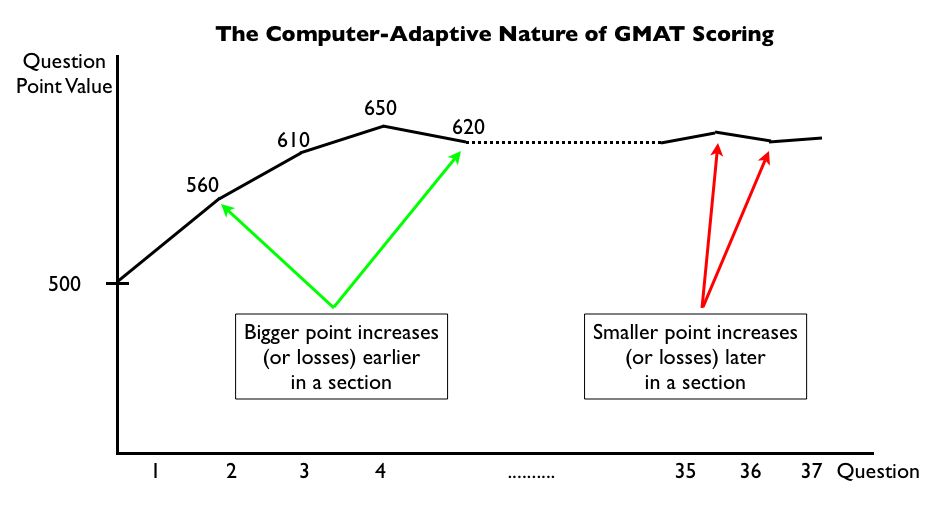
Before diving deeper into your prep, it’s essential to understand how the GMAT scoring works. The GMAT has four key sections:
- Quantitative Reasoning (6–51)
- Verbal Reasoning (6–51)
- Integrated Reasoning (1–8)
- Analytical Writing Assessment (AWA) (0–6)
Target GMAT Scores
- 650-700: A strong score for competitive business schools.
- 700+: An excellent score that greatly improves your chances at top-tier programs.
- 550-650: A decent score, but you'll need to compensate with other strong application components.
GMAT Prep Tips: Do’s & Don’ts for Your 4 Month Plan

- Start with a Diagnostic Test: Begin by taking a diagnostic test to establish your baseline score and highlight areas for improvement.
- Focus on Core Concepts First: For the first two months, focus on mastering core GMAT topics such as algebra, arithmetic, critical reasoning, and reading comprehension.
- Gradual Practice Tests: Introduce full-length practice tests after two months. Taking them too early might not give you an accurate assessment of your potential.
- Consistent Study Routine: Study 2-3 hours per day, 5-6 days a week to maintain a steady pace. Consistency is key to success.
- Analyze Mistakes: Reviewing mistakes is crucial to improvement. After each practice test, analyze your errors to avoid repeating them.
Common Mistakes During GMAT Preparation
Many students make common errors during GMAT prep that can hurt their score, even if they study for months. These mistakes often come from a lack of planning, skipping practice tests, or focusing only on one section. No matter how well you study, avoiding these issues is key to scoring above 700.
One of the biggest mistakes is starting without a proper strategy. A 4 month GMAT preparation plan gives you enough time to focus on all sections evenly. But students often waste time on topics they already know or delay full-length mocks, which lowers their readiness. Another common issue is not reviewing errors just doing practice without analysis doesn’t lead to improvement.
Whether you're using a GMAT 4 month study plan or a shorter timeline, staying consistent, tracking progress, and reviewing weak areas regularly are critical for success. Below is a table of the most frequent mistakes students make during GMAT prep:
| Common Mistake | Why It Hurts |
|---|---|
| Skipping a Diagnostic Test | You won’t know your weak areas or how much prep you really need |
| Ignoring Error Analysis | Repeating the same mistakes leads to no score improvement |
| Over-focusing on One Section | Unbalanced prep affects overall score and timing |
| Not Taking Full-Length Mocks | Leads to poor stamina and low performance on test day |
| Last-Minute Learning | Creates stress and lowers accuracy under time pressure |
Is 4 Months Enough to Score 700+ in GMAT?
Yes, 4 months is enough to score 700+ in the GMAT if you follow a smart and consistent study plan. According to GMAC, candidates who study for 3 to 6 months have the highest chance of GMAT scoring above 700. It’s not about how long you study—it’s about how effectively you manage your time and focus on weaknesses.
With a 4 month GMAT preparation plan, you can break your learning into four clear phases: understanding concepts, practicing questions, building stamina through mocks, and reviewing mistakes. The key is to follow a schedule that includes regular mock tests, timed practice, and section-wise focus. A GMAT 4 month study plan gives you the flexibility to improve in stages without rushing.
The table below shows average GMAT scores based on study duration, as reported by GMAC:
| Study Duration | Average GMAT Score |
|---|---|
| Less than 1 month | ~500–550 |
| 1–2 months | ~580–620 |
| 3–4 months | ~650–700+ |
| 5–6 months | ~700+ |
So, if you start with a clear plan and stay consistent, a 4 month GMAT preparation plan can absolutely help you hit the 700+ mark—even on your first try.
Related Blogs:
Conclusion
A 4-month GMAT preparation plan provides an optimal timeframe to master core concepts, develop effective test strategies, and practice consistently. By following a structured study plan, reviewing mistakes, and adapting based on performance, you can significantly boost your score and increase your chances of admission to a top MBA program. Remember, consistency and a strategic approach are key to acing the GMAT. Best of luck on your GMAT journey!