
 Abhyank Srinet


Table of Contents
Key Takeaways:
• MSBA cost in Germany is super affordable—public colleges charge almost nothing, private ones cost €10–20K a year.
• Most MSBA students are 23–25 years old, with tech or business backgrounds, and many come from outside Germany.
• Starting salary after MSBA is €50K–70K, with top roles in analytics, consulting, and data-driven tech companies.
• Living in Germany costs €800–1,500/month, but student discounts on food, travel, and housing ease the load.
• You get 18 months after graduation to stay back, find a job, and build a career in one of Europe’s safest economies.
Germany is a top destination for international students, offering world-class education with affordable costs. Known for its excellent universities and practical learning approach, it’s an ideal choice for those aiming to build a career in business analytics. From cutting-edge courses to strong industry connections, German universities provide everything you need for a successful future.
When planning your study abroad journey, understanding the MSBA cost in Germany is crucial. Public universities often have minimal or no tuition fees, while private ones are reasonably priced. Living expenses, including accommodation, food, and insurance, are also manageable compared to other countries. This guide will give you a clear picture of all the expenses you need to consider, helping you prepare financially and make your dream of studying in Germany a reality.
Why Pursue an MSBA in Germany?
Germany is one of the best places to study a Masters in Business Analytics (MSBA). It offers high-quality education, affordable tuition fees, and great career opportunities. German universities are known for their practical approach to teaching, combining business skills with data analysis, which is highly valued by employers worldwide.
One of the biggest advantages is the MSBA cost in Germany, which is much lower than in countries like the US or UK. Many public universities charge little to no tuition fees, making it an affordable choice for students. Living costs in Germany are also manageable, with monthly expenses ranging from €850 to €1,200, depending on the city you choose.
After graduating, students benefit from an 18-month post-study work visa, giving them enough time to find jobs in top companies like BMW, SAP, and Siemens. Most MSBA graduates start with salaries between €50,000 and €70,000 per year, making it a smart investment for a bright future.
MSBA in Germany: Cost Breakdown

Understanding the cost of pursuing an MSBA in Germany is essential for planning your study abroad journey. Germany stands out as an affordable destination for higher education, especially for international students. The MSBA cost in Germany is significantly lower than in many other countries, making it an ideal choice for those seeking high-quality education without a heavy financial burden.
Public universities often charge minimal or no tuition fees, while private institutions range from €10,000 to €20,000 per year. Living expenses are also manageable, with students typically spending between €850 and €1,200 per month on accommodation, food, transportation, and other essentials. For example, housing costs range from €300 to €500, while food expenses average €200 to €300. Additionally, international students must maintain a blocked account of approximately €11,208 per year, as required by German immigration laws.
| Country | Tuition Fees | Living Costs | Post-Study Work Visa |
|---|---|---|---|
| Germany | €0–€20,000/year | €850–€1,200/month | 18 months |
| United States | $30,000–$60,000/year | $1,500–$2,500/month | 12 months (OPT) |
| United Kingdom | £20,000–£40,000/year | £1,000–£1,500/month | 2 years |
For more information, you can click here: MSBA abroad in Europe
Tuition Fees for MSBA in Germany
- Public Universities: Most public universities in Germany charge little to no tuition fees, making them a highly affordable choice for international students.
- Private Universities: Fees range from €10,000 to €20,000 per year, depending on the institution and program.
Cost of Living in Germany
Living costs in Germany are manageable compared to other countries. Here’s a typical breakdown of monthly expenses:
- Accommodation: €300–€500
- Food and Groceries: €200–€300
- Transportation: €50–€80
- Health Insurance: €100–€120
- Miscellaneous: €100–€200
- Total Monthly Living Cost: €850–€1,200
Other Expenses to Consider
- Visa Application Fee: Approximately €75.
- Blocked Account (Proof of Funds): Around €11,208/year (as per German regulations).
- Entrance Exam Fees: GMAT or GRE costs approximately €250.
For more insights in detailed, you can check out this: Masters in Germany
Scholarships for MSBA in Germany

Scholarships are a great way to lower the MSBA cost in Germany and make studying more affordable. Germany offers various scholarships for international students that cover tuition fees, living expenses, or both. One of the most popular options is the DAAD Scholarship, which provides a monthly stipend of €861, travel allowances, and health insurance. Many universities also offer their own merit-based scholarships to reward academic performance.
Private organizations like the EIT Digital Master School also provide funding for eligible students. These scholarships often focus on covering tuition fees and sometimes include support for living expenses. Another common option is the Deutschlandstipendium, which offers €300 per month to students with excellent academic records and social engagement.
| Scholarship Name | Benefits | Eligibility & Criteria |
|---|---|---|
| DAAD Scholarship | - €861 monthly stipend - Travel allowance - Health and accident insurance | - Enrolled in a full-time master’s program - Academic excellence - At least 2 years of work experience - Strong SOP |
| Deutschlandstipendium | - €300 per month (1 year, renewable) | - Excellent academic record - Social commitment or leadership skills - Open to all nationalities |
| EIT Digital Master School Scholarship | - Full or partial tuition waiver - Monthly living allowance | - Enrolled in a tech-related master’s program - Strong academic background in STEM - Motivation and recommendation letters |
| University-Specific Scholarships | - Tuition discounts or full coverage - Additional living cost support (varies) | - Academic merit-based - Varies by university - Some may require financial need documentation |
| Erasmus+ Program | - €300–€450 monthly stipend - Travel reimbursement | - Enrollment in an Erasmus-partnered program - Strong academic performance - Open to EU and non-EU students |
| Konrad-Adenauer-Stiftung Scholarship | - €850 monthly stipend - Health insurance coverage | - Master’s in politics, law, or economics - Academic and leadership excellence - Active social or political engagement |
Eligibility for MSBA in Germany

If you’re applying for an MSBA in Germany, here’s what you need to know: a bachelor’s degree in a relevant field with a minimum GPA of 2.5 is required. Most programs also expect GMAT (600+) or GRE scores. English proficiency is essential, with a TOEFL score of 90+ or IELTS 6.5+; some universities accept an MOI letter if your education was in English.
Work experience of 1–2 years is preferred but not mandatory. Additionally, international students must maintain a blocked account of €11,208 per year for living expenses. Preparing these documents and knowing the MSBA cost in Germany will streamline your application process.
- Academic Qualification: Bachelor’s degree in a relevant field (e.g., business, data science, engineering).
- Minimum GPA: 2.5 or higher on a 4.0 scale.
- Standardized Tests: GMAT (600+) or equivalent GRE scores.
- English Proficiency:
TOEFL: Minimum 90
IELTS: Minimum 6.5.
Medium of Instruction (MOI) letter may be accepted in some cases - Work Experience: 1–2 years preferred but not mandatory
- Other Documents Required
Statement of Purpose (SOP).
Resume or CV.
Letters of Recommendation (LORs).
Proof of funds (blocked account of approximately €11,208 per year).
Application Process for MSBA in Germany
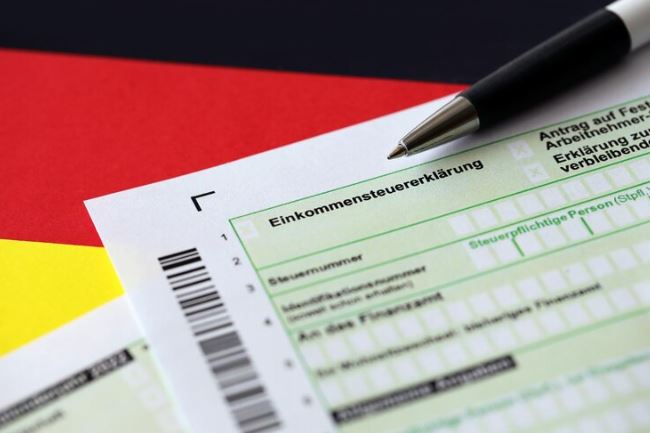
Applying for an MSBA in Germany is simple if you prepare in advance. Start by researching universities and their requirements. Most programs require an online application with key documents like your SOP, academic transcripts, resume, and LORs. Standardized test scores like GMAT (600+) or GRE, and English proficiency tests like TOEFL (90+) or IELTS (6.5+), are often needed.
You’ll also need proof of funds, such as a blocked account of €11,208 per year, to meet visa requirements. Understanding the MSBA cost in Germany will help with financial planning. Applications typically open 10–12 months before the intake, so apply early to stay ahead.
Quick Steps to Apply
- Research universities and check requirements.
- Prepare and upload documents (SOP, transcripts, resume, LORs, test scores).
- Provide proof of funds (blocked account).
- Apply online and track deadlines.
Visa and Stay Prospects
Germany offers excellent visa and stay options for international students pursuing an MSBA. To study in Germany, students must apply for a student visa, which allows them to stay for the duration of their program. After graduation, Germany provides an 18-month post-study work visa, giving students ample time to find a job aligned with their career goals.
During these 18 months, graduates can explore employment opportunities in Germany's thriving job market, especially in data analytics and business roles. Once employed, individuals can transition to a work visa and eventually apply for permanent residency (PR) after working in Germany for at least 33 months (reduced to 21 months with a B1-level German language certification).
Top Universities for MSBA in Germany
Germany is home to top universities offering excellent MSBA programs. Institutions like the Technical University of Munich (TUM) and the University of Mannheim are known for their quality education and strong industry connections. The MSBA cost in Germany varies, with public universities charging minimal fees and private ones costing up to €20,000 per year.
| MSBA University Name | Tuition Fees |
|---|---|
| Technical University of Munich (TUM) | €0–€2,000/year (public) |
| University of Mannheim | €3,000–€4,500/year |
| Frankfurt School of Finance & Management | €15,000–€20,000/year |
| RWTH Aachen University | €0–€3,000/year (public) |
Related Blogs
Conclusion
The MSBA cost in Germany is one of the most affordable among top study-abroad destinations, making it an excellent choice for students. With minimal tuition fees at public universities and manageable living expenses, Germany offers high-quality education without a heavy financial burden. Coupled with strong career prospects and global networking opportunities, pursuing an MSBA in Germany is a smart investment for a successful future.


