
 Abhyank Srinet


Table of Contents
Key Takeaways:
- There are multiple visa options including the General Student Visa (Tier 4) for full-time degree courses and the Short-term Study Visa for shorter courses.
- The standard processing time for a UK student visa is around 15 working days, with options for Priority and Super Priority services that can expedite the process to 5 or 1 working day, respectively.
- The visa application fee for the General Student Visa is £363, while the Immigration Health Surcharge (IHS) is £470 per year of your course.
- You need to show proof of funds for tuition and living expenses, with a minimum of £1,334 per month for students in London and £1,023 per month for students outside London.
- Students on a Tier 4 visa can work part-time for up to 20 hours per week during term time and full-time during holidays.
Planning to study in the UK can be an exciting yet complex process, especially when it comes to securing a UK student visa from India. Whether you're aiming to pursue undergraduate studies or a master’s degree, understanding the visa process is crucial. The UK government offers several visa types based on your study level, each with its own requirements and timelines. In this guide, we will break down everything you need to know—from the types of student visas to eligibility criteria, application procedures, and more—so you can confidently navigate the process and begin your study abroad journey.
Securing a visa might seem daunting, but with proper knowledge and preparation, you can increase your chances of approval and ensure a smooth transition to your studies in the UK. Read on to discover how to make your UK student visa application as straightforward as possible.
Types of UK Student Visas for Indian Students
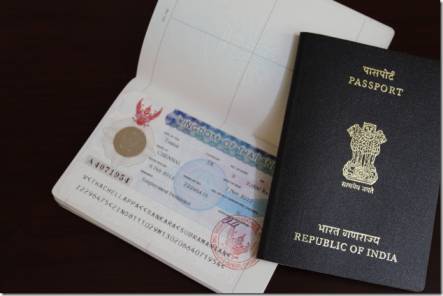
When applying for a UK student visa from India, it's essential to choose the right visa based on the course duration and your age. Here are the main types of UK student visas that Indian students can apply for:
1. Short-term Study Visa
This visa is ideal for students planning to take short courses, like language programs, in the UK. It allows you to stay in the UK for a period ranging from 6 months to 11 months, depending on the course type. However, it doesn’t permit part-time work or bring dependents.
2. General Student Visa (Tier 4)
The most common visa for Indian students pursuing long-term courses such as bachelor’s, master’s, or PhDs. This visa typically covers the duration of your course, plus an extra 4 months to allow you time to work or look for job opportunities after graduation.
3. Child Student Visa
For students aged 4 to 17 who have been accepted into an independent school in the UK. The visa allows young students to study in the UK and is available for various school levels.
| Visa Type | Course Type | Stay Duration | Work Allowed? |
|---|---|---|---|
| Short-term Study Visa | Short courses (language programs) | 6-11 months | No |
| General Student Visa (Tier 4) | Degree courses (Bachelor’s, Master’s) | Course duration + 4 months | Yes (part-time, full-time during holidays) |
| Child Student Visa | School-level courses | Depends on course length | No |
UK Student Visa Eligibility Requirements

To apply for a UK student visa from India, you must meet specific eligibility requirements set by the UK government. These criteria ensure that you are academically prepared, financially stable, and able to communicate effectively in English. Here’s a breakdown of the key requirements:
Academic Requirements
You must have been accepted into a recognized UK institution, which will issue a Confirmation of Acceptance for Studies (CAS). This document is mandatory for your visa application. Ensure your chosen course is full-time and leads to a recognized degree or higher education qualification.
English Language Proficiency
Proving your ability to communicate in English is a critical part of the visa process. Most Indian students will need to take an approved English language test, such as IELTS or TOEFL, to demonstrate proficiency. The required scores may vary based on the course and institution, but generally, a minimum IELTS score of 5.5 to 6.5 is needed.
Financial Proof
You must provide evidence that you can financially support yourself during your studies. This typically includes showing bank statements that prove you have enough funds to cover your tuition fees and living expenses for the first year. The current requirement for living costs is approximately £1,334 per month for students studying in London and £1,023 per month for those studying outside London.
Health Requirements
Indian students applying for a UK visa must take a Tuberculosis (TB) test at an approved clinic before submitting their application.
Documents Required for UK Student Visa
When applying for a UK student visa from India, preparing and submitting the right documents is crucial to ensure a smooth application process. Missing or incorrect documents can lead to delays or even rejection. Below is a list of the essential documents you will need to submit:
- Valid Passport: Your passport should be valid for the entire duration of your stay in the UK. Ensure that it has at least one blank page for the visa stamp.
- Confirmation of Acceptance for Studies (CAS): This is a unique reference number provided by your university in the UK. The CAS confirms that you have been accepted for a full-time course, and it includes details about your course and tuition fees.
- Proof of Financial Support: You must provide bank statements or other financial documents showing that you have enough funds to cover your tuition fees and living expenses. The minimum required funds are £1,334 per month for students living in London and £1,023 per month for those studying outside London.
- English Language Proficiency Test Results: Most students will need to submit their IELTS or TOEFL scores to prove their English proficiency. Check your university’s requirements for specific score thresholds.
- Tuberculosis (TB) Test Results: If you are from India, you are required to submit a certificate showing that you have undergone a TB test at an approved clinic.
- Passport-Sized Photographs: Ensure that the photographs meet the specific visa requirements, including size and background specifications.
- Visa Application Form and Fee Receipt: You must complete the online visa application form and provide proof of payment for the visa application fee and Immigration Health Surcharge (IHS).
UK Student Visa Process: Step-by-Step Guide

Applying for a UK student visa from India involves several key steps. To ensure a smooth and successful process, it’s important to follow each step carefully and have all the necessary documentation ready. Here's a simplified step-by-step guide:
1. Apply to a UK University and Receive CAS
The first step is to apply to a UK university and secure an offer letter. Once accepted, the institution will issue a Confirmation of Acceptance for Studies (CAS), which is essential for your visa application. Make sure all the details in the CAS, such as the course details and tuition fees, are accurate.
2. Prepare Required Documents
Gather all the necessary documents, including your passport, CAS, financial proof, and English language test results. Refer to the earlier section on the documents required to ensure you have everything in order.
3. Complete the Online Visa Application
Visit the official UK Government website and fill out the Student Visa (Tier 4) application form. Be accurate while entering your details, as any mistakes could delay the process. Upload the necessary documents and submit the form.
4. Pay Visa Fees and Immigration Health Surcharge (IHS)
After submitting your application, you will be prompted to pay the visa application fee and the Immigration Health Surcharge (IHS), which gives you access to the UK’s National Health Service (NHS) during your stay. The IHS fee is typically around £470 per year for students.
5. Book and Attend a Visa Interview
Once your application is submitted, you’ll need to book a biometric appointment at a Visa Application Centre. During this appointment, you will provide your fingerprints, photographs, and may be required to attend a visa interview where they will ask about your study plans and financial ability.
6. Wait for Visa Decision
After completing the interview, your application will be processed. The standard processing time is around 15 working days, but you can opt for Priority or Super Priority services for a quicker decision.
UK Student Visa Processing Time
The processing time for a UK student visa from India typically takes around 15 working days from the date of your biometric appointment. However, processing times can vary depending on the time of year, with peak application periods, like before the start of a new academic term, often leading to longer wait times. For students in urgent need, the UK offers expedited options such as the Priority Visa service, which provides a decision within 5 working days, and the Super Priority Visa service, which offers a decision by the end of the next working day.
It’s advisable to apply for your visa at least three months before your course begins to avoid any potential delays. By doing so, you give yourself plenty of time to account for unforeseen issues and ensure a smooth transition to your studies in the UK. Keeping track of your visa application status online is also possible after your biometric submission.
UK Student Visa Fees & Healthcare Surcharge

When applying for a UK student visa from India, there are specific fees you need to budget for, including the visa application fee and the Immigration Health Surcharge (IHS), which provides access to the UK's National Health Service (NHS).
| Fee Type | Amount |
|---|---|
| General Student Visa (Tier 4) Application Fee | £363 |
| Immigration Health Surcharge (IHS) | £470 per year |
| Dependent Visa Application Fee | £363 per dependent |
| Dependent IHS | £470 per year per dependent |
- Visa Application Fee: The standard visa application fee for the General Student Visa (Tier 4) is approximately £363. This fee applies to each applicant, and it must be paid at the time of submitting your application.
- Immigration Health Surcharge (IHS): In addition to the visa fee, students are required to pay the Immigration Health Surcharge, which costs £470 per year of your stay. For example, if your course lasts for three years, you'll need to pay £1,410 upfront for access to healthcare services during your time in the UK.
- Additional Fees for Dependents: If you are bringing dependents, such as a spouse or children, they will also need to pay the visa application fee and the IHS separately.
Common Reasons for UK Student Visa Rejection
A UK student visa can be rejected for several reasons, often due to errors or insufficient documentation. One of the most common reasons is failure to provide adequate financial proof. You must demonstrate that you have enough funds to cover both your tuition fees and living expenses for the duration of your course. Any discrepancies in the amount or the format of your financial documents can lead to rejection.
Another frequent issue is incorrect or incomplete documents. Missing important papers like the Confirmation of Acceptance for Studies (CAS) or presenting outdated information can result in a visa denial. Additionally, failure to meet the English language requirements, such as not achieving the required score in tests like IELTS or TOEFL, is a common cause for rejection.
Lastly, providing false information or not being able to explain your study plans clearly during the visa interview can also negatively impact your application. Being thorough, honest, and prepared is key to avoiding visa rejection.
Related Blog:
- F1 Visa interview questions
- USA student visa process from India
- F1 Visa slots
- Is PCC required for UK student Visa
Conclusion
Securing a UK student visa from India may seem like a daunting process, but with the right preparation and understanding of the requirements, you can navigate it smoothly. From choosing the appropriate visa type to gathering the necessary documents and following the correct application steps, each part plays a vital role in ensuring your visa is approved. With the proper planning, you’ll be well on your way to starting your academic journey in the UK, where countless educational and professional opportunities await.